
Savvy B2B marketers know that psychographic segmentation offers the most value of the four main types of market segmentation.
Psychographic segmentation, when properly used, allows marketers to get into the heads of the audience they want to target to tap powerful insight into why individuals do what they do. Psychographics help you deeply define the persona of the group you are targeting—its attitudes, interests, beliefs, values, and behaviors. It also helps marketers tap into new audiences, find untouched opportunities, and guide potential clients and customers into and through their unique buyer’s journey.
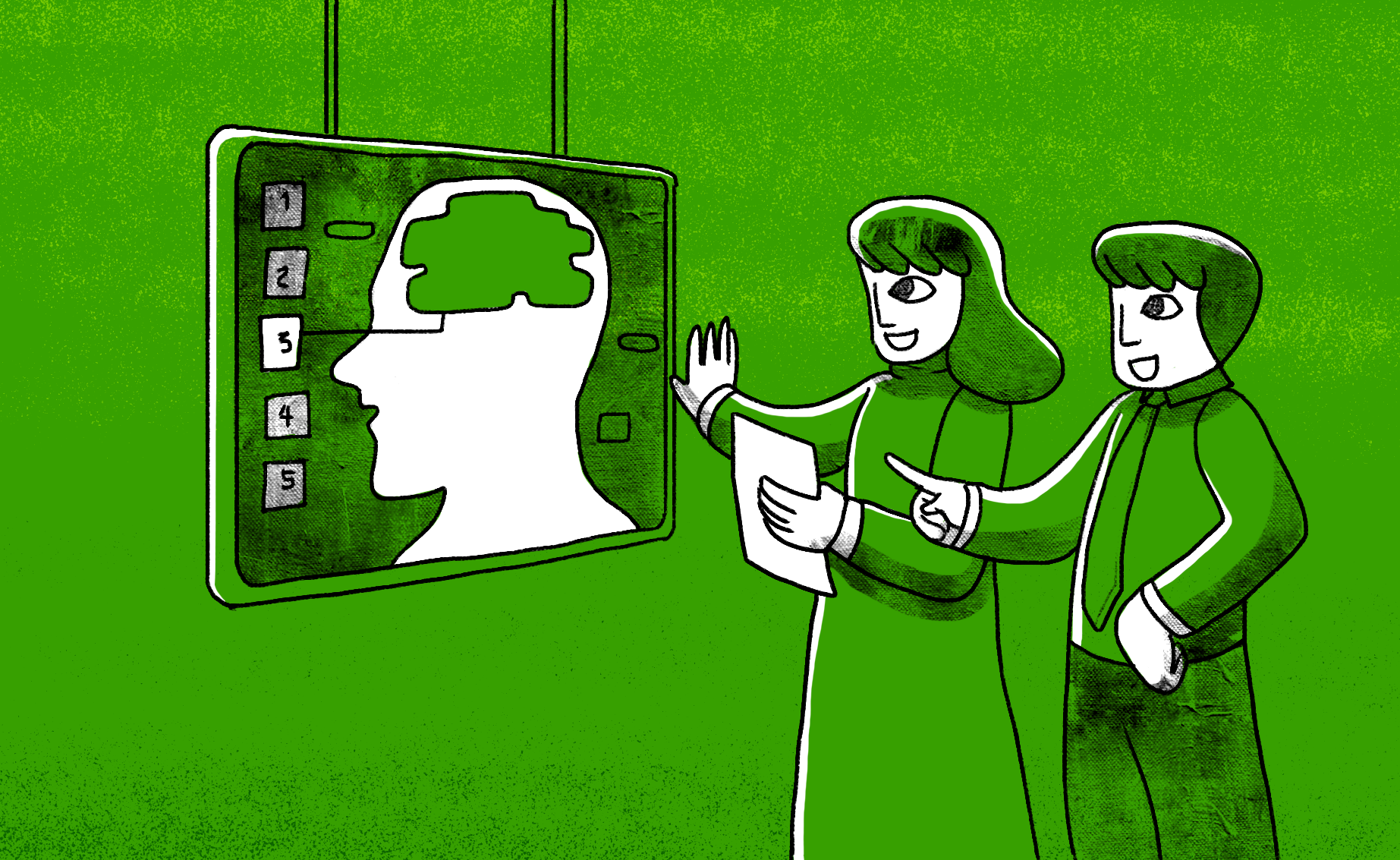
What is psychographic segmentation?
Psychographic segmentation is the research methodology used to study consumers and divide them into groups by psychological characteristics. These characteristics can include categories like personality, lifestyle, social status, activities, interests, opinions, and attitudes.
Psychographics, when applied correctly, can turn what may seem like a simple blog post into a piece of content that feels written just for the reader. Psychographics can help you perfectly place or time an ad so potential buyers actually see and react to it.

5 Strategies to effectively leverage psychographic segmentation
Having psychographic information and knowing how to use it are some of the best tools a competent marketer can have. This knowledge makes it easier to send the right message at the right time to appropriately engage a potential client (and ensure they don’t feel like you’re constantly looking over their shoulder!). Here are five ways to effectively leverage psychographic segmentation in your B2B marketing:
1. Target social media ads
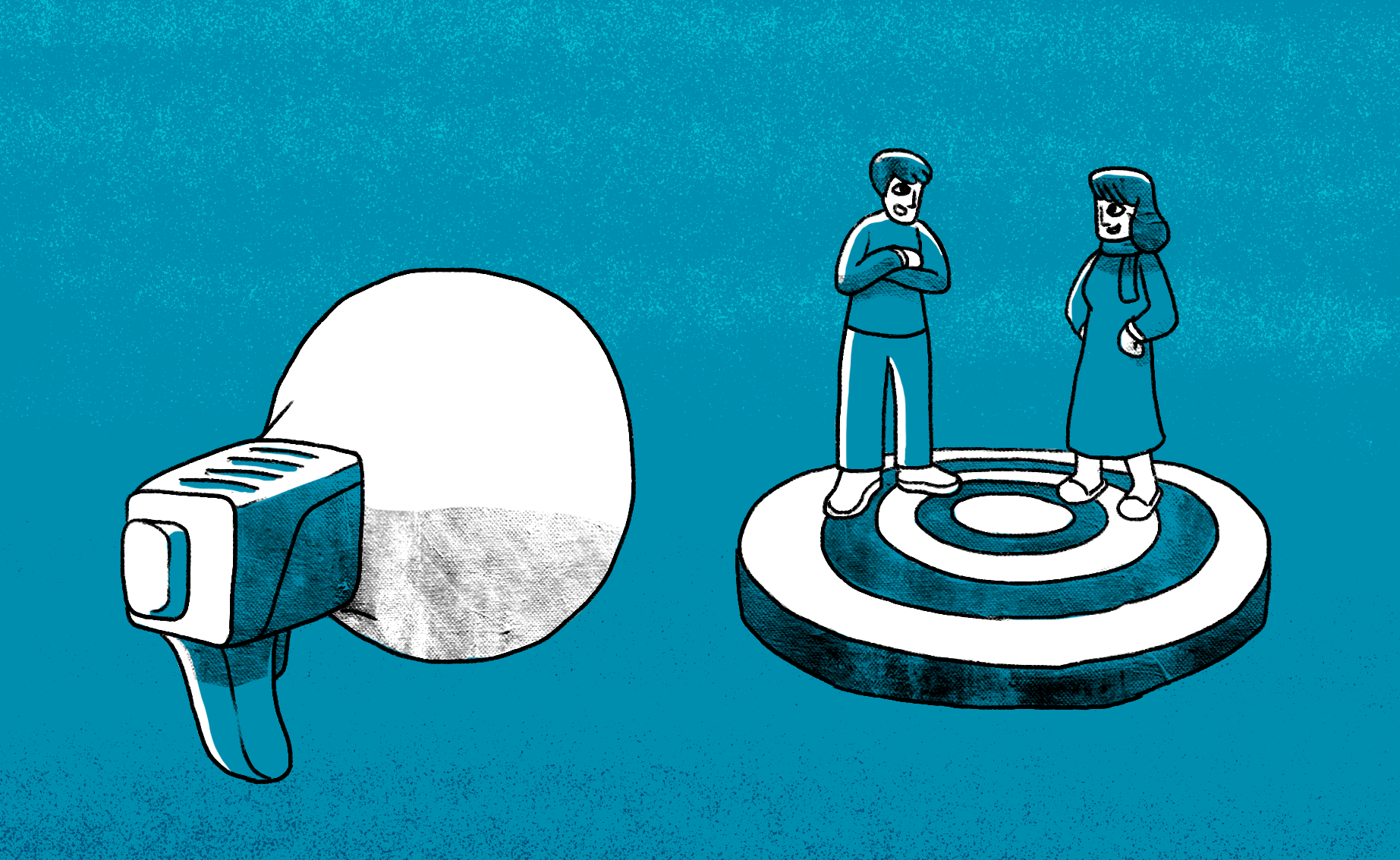
Psychographics is one of the many ad-targeting options available on social media platforms.
Ads targeted to the psychographic commonalities of your audience increase your chance of getting in front of your target audience with tailored content. This way, not only do people see your ads, but your messaging will likely resonate with them, which encourages response and drives action.
For example, let’s pretend you run a SaaS company and sell small business productivity software. Based on psychographics, you know your target audience consists of small business owners who greatly value family time. If you want your ad to resonate with those potential customers and get them to engage, run an ad that positions your platform as a path to freeing up more time for what really matters to them. An ad like this may perform better than an ad that positions your platform as an avenue for greater profit.

2. Speak to hearts on organic social
Your target audience isn’t always ready to engage in conversations about business on social media, and it certainly doesn’t want to be hit over the head with your company’s promotional content. Leveraging psychographic segmentation on social media to create and share posts that speak to what truly is important to your target audience will give you a leg up on these networks.
You can share thought leadership, helpful advice, and memes outside your main area of expertise to communicate your brand values and connect with your audience on a deeper level. For example, if you offer an article about entrepreneurs who find work-life balance and can spend more time with their children, your audience will be more likely to like, click, or share these posts than something less targeted.

3. Develop blog content for personal pain points
In our example psychographic segmentation, we know how important family is to your target audience. For this audience, a blog post with the title “10 Tips to Work Less and See Your Kids More” would likely perform better than the title “10 Business Productivity Tips to Increase Efficiency.” This is because the first title taps into one of the audience’s personal pain points.
Even if the two posts would essentially offer the same advice, the former would resonate far more than the latter because it makes the potential customer feel seen and understood.
Not only would your target audience be more likely to click through and read this post; they’d also be more likely to convert with corresponding calls to action.
4. Write case studies on doppelgangers
It’s easy to identify current clients or customers that match a particular segment you are targeting when you use psychographic segmentation to know your audience. This is the client or customer group you’d then want to gather testimonials from and create case studies about. This way, your content is proof that you provide a solid solution for your target audience’s needs at a vital time—the decision stage of the buyer’s journey.
In our example, spending time with family is the most important thing to our target audience. It’s wise, then, to develop a case study that puts the spotlight on how much additional time a current customer is freed up to spend with family instead of a case study that only highlights financial benefits.
This is a small trick that can make or break your deals. If a buyer is deciding who they want to work with, offering evidence that shows you understand their use case and have provided success for people just like them could be the deciding factor in your favor.
5. Give something that’s just for them
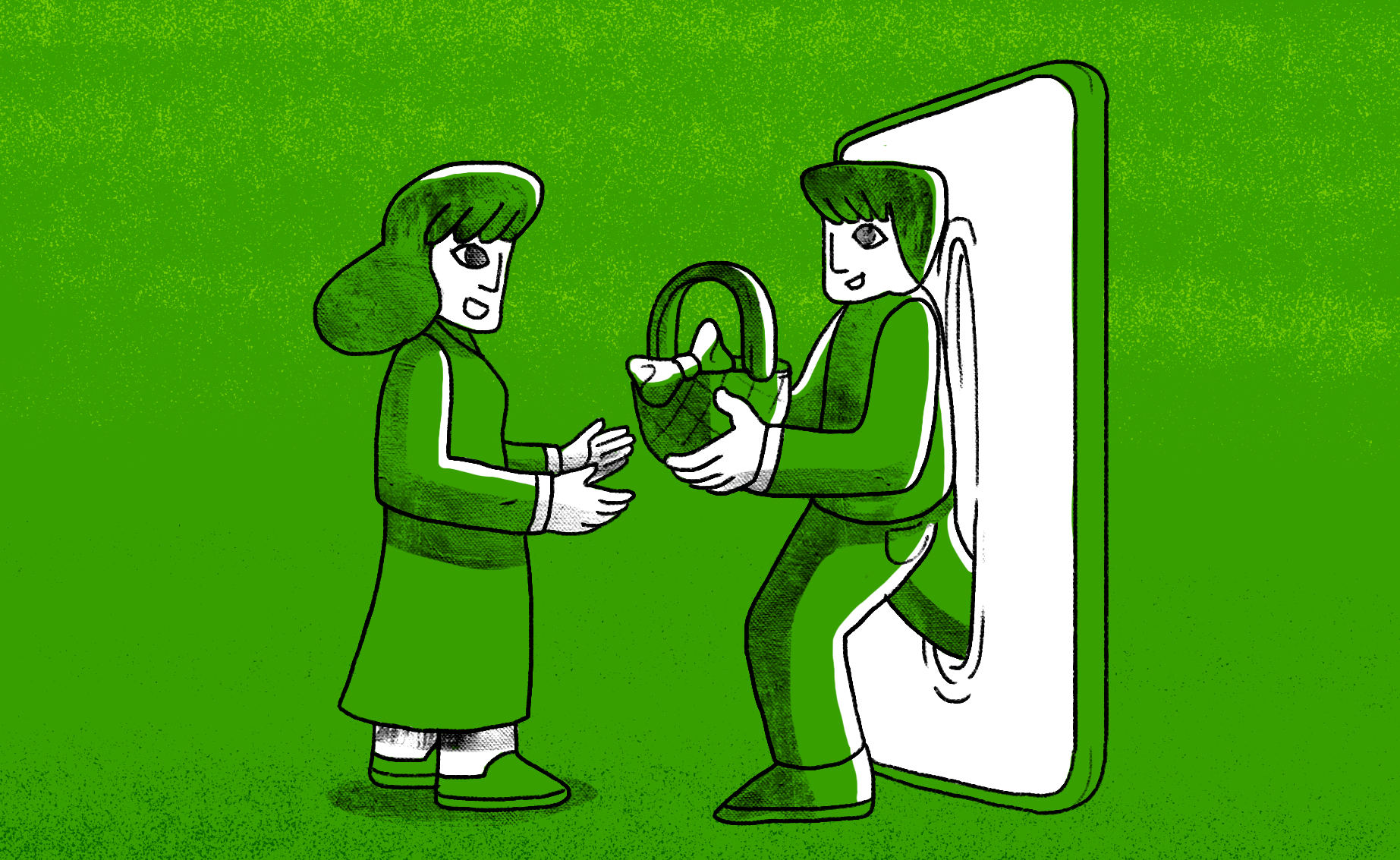
Sending physical gifts can go a long way when marketing to your top prospects or current customers or clients. Too many B2B brands make the mistake of going with something generic, safe, and splashed with company logos. These items can feel cheap and lack personality.
To stay top-of-mind, consider marketing with promotional items that align with what truly matters to your psychographic segment and keep branding elements to a minimum.
For example, an audience that values family time may appreciate a family picnic kit, a family-friendly snack basket, or a new board game the whole family can play. These may sound a little personal, like something you may send a friend you know well, but that’s the point! You know your target audience quite well, so don’t be afraid to show it!

Next steps to make psychographic segmentation work for you
So, how do you implement psychographic segmentation in your B2B marketing?
Start with a strategy that leverages segmentation across all market channels. Look for ways to create targeted content, messaging, and ads based on psychographic segments. Invest in the legwork required to know your audience. Talk to current customers or clients, prospects, and your internal team to ensure your personas are up-to-date and complete. This effort will give you a solid base for driving segmentation success.


.svg)


