Expanding the Frontier: How People Are Redesigning Work Through AI

By Ted Liu and Aziz Ben Jemia
Generative AI (artificial intelligence) tools have seen unprecedented adoption in the last two years. ChatGPT reached over 100 million users just two months after its launch, and the rapid pace of innovation and integration into various sectors and industries makes gen AI one of the fastest-growing and most influential technologies in recent history. However, the conversation around AI remains a mix of hype, heightened anxiety, and debate over the return on investment in the technology. But to what extent have AI and generative AI (gen AI) been woven into the fabric of everyday work across various fields?
Upwork's platform data reveals that AI work is not limited to traditional technical fields, but extends across a wide range of job categories. To understand this shift, we analyzed the titles of thousands of job posts on the platform from 2020 to 2023 and identified how AI work is distributed across 12 main work categories. Our analysis shows that AI is transforming not only technical jobs, but also many non-technical fields. In fact, there was a 268% year-over-year growth in AI-related jobs in non-technical fields like design, marketing, and translation in 2023, driven by the emergence of generative AI in late 2022. Between 2022 and 2023, 58% of AI-related jobs were higher-paying contracts (paying more than $1,000 per contract), with categories like Translation seeing an impressive 86% share of these high-value opportunities. Unlike other recent technologies, AI changes both how tasks are done and what tasks people do. AI resembles a general-purpose technology that is useful in many areas. It may also create opportunities for higher-value work.
Beyond technical roles: AI’s expanding influence
People often associate AI work with highly technical tasks, such as coding or developing complex algorithms. However, the actual scope of AI work is broader and varies significantly depending on the context and industry.
Between 2020 and 2021, traditional AI work on Upwork was heavily concentrated in two key categories: Data Science & Analytics (DS) and Web, Mobile, & Software Development (WMSD), accounting for over 70% of AI-related job posts. Only a few other categories, like Writing, Design, and Administrative Support, had shares beyond 1%. This suggests for this period, that while AI had broad potential, it was largely focused on these two technical areas.
With the emergence of generative AI, the distribution of AI-related job posts has become more dispersed across different fields. Put another way, generative AI has diversified the landscape of AI-related job opportunities, spreading its influence far beyond traditional fields into areas like engineering, architecture, and creative industries.
While DS and WMSD continue to play significant roles, their share of AI work has decreased to about 55%—a notable drop of around 15 percentage points. Simultaneously, categories such as Engineering & Architecture, and even non-technical areas like translation, design, and marketing, have seen significant relative expansion in AI-related jobs. For example, AI translation work, which comprised only 1% of posts before 2022, has now increased to over 7%. These newer roles involve tasks such as training AI models, reviewing AI-generated content, and guiding clients in the use of AI for translation.
The key takeaway is that AI and generative AI are not just reshaping work in traditional technical roles, but are also permeating a variety of non-technical fields. AI is becoming a vital tool in the tasks and projects clients are posting and helps freelancers enhance their work.

Figure 1 (a), data based on Upwork job posts
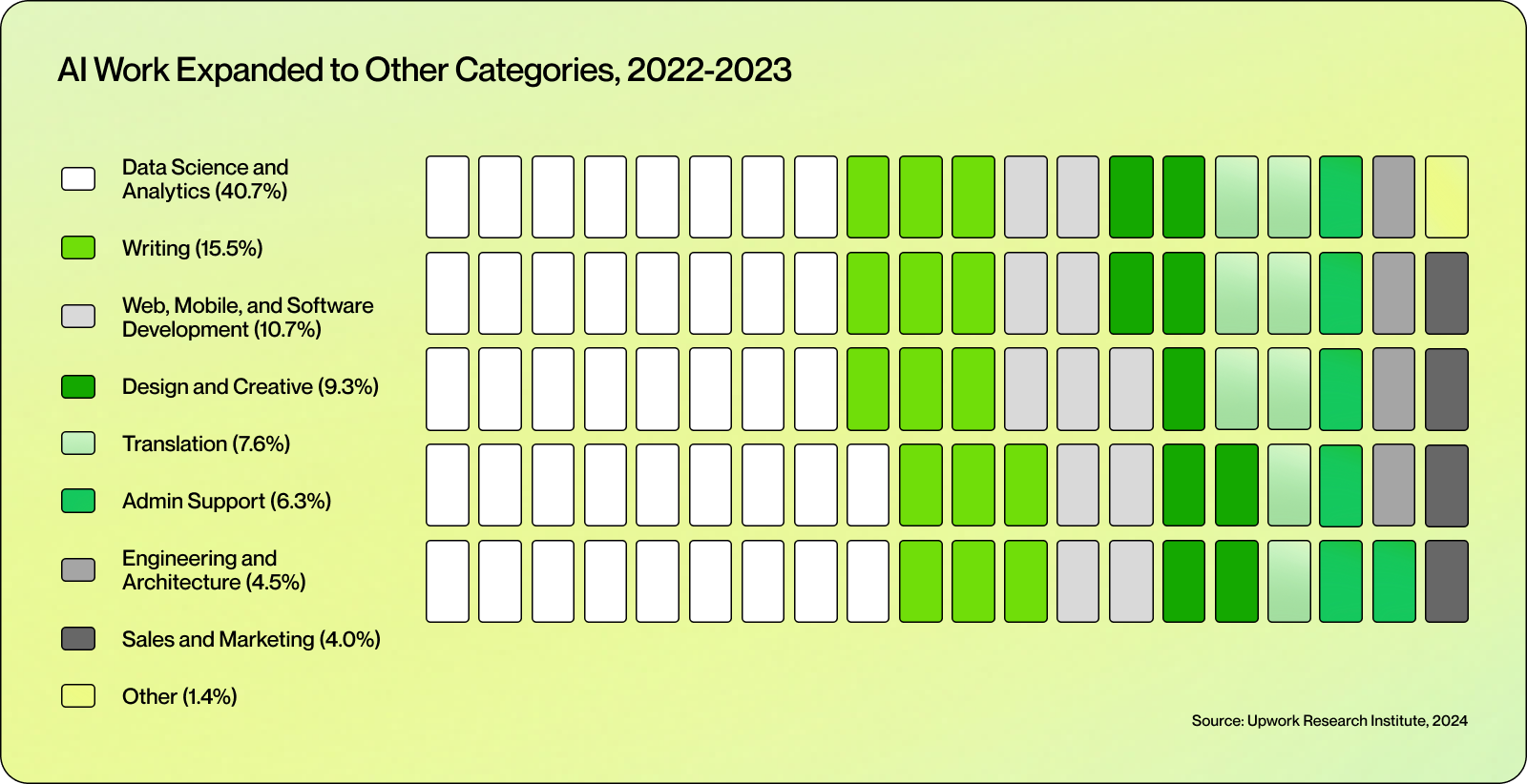
Figure 1 (b), data based on Upwork job posts
Is AI truly as transformative as it is claimed to be?
The results from the previous section lead us to question: Is AI truly transformative in terms of its broad impact on how people work? To explore this, we conducted a similar platform analysis for two other technologies that also have reshaped work processes: cloud computing and robotic process automation (RPA). These technologies have undoubtedly influenced the future of work. Cloud computing, for instance, has helped enable remote work and collaboration, while RPA has boosted task completion efficiency and productivity.
Unlike what we see with AI, which permeates a wide range of work categories, cloud computing and RPA are concentrated in just a few categories of work. Over 80% of cloud computing-related job posts are work in IT, networking, and WMSD. This is understandable as roles like DevOps engineers and cloud architects are essential for implementing cloud technology. Moreover, analysis of job posts from 2020-21 shows that these category distributions have remained fairly stable, likely because cloud computing had already transformed traditional IT roles prior to this period, with its effects largely contained within the IT and networking sectors.
We observed similar patterns with RPA. RPA is a technology that uses software robots to automate repetitive and routine tasks, such as data entry and financial transaction processing. Given its nature, one might expect RPA to be relevant across many job categories. However, in 2020-2021, over 69% of RPA-related job posts were concentrated in WMSD, followed by Data Science & Analytics. This concentration suggests that, while RPA aims to reshape workflows, the work it generates is primarily focused on WMSD roles, such as system architects and engineers.
Interestingly, the rise of generative AI seems to have influenced the type of RPA work being posted, but not in a way that diversifies its applications. In fact, from 2022 onward, the concentration of RPA job posts in WMSD has increased, indicating that RPA remains focused on a narrow set of roles.
It’s important to note that both cloud computing and RPA are relatively mature technologies and widely adopted by organizations to date, so this context is crucial when comparing them to AI. In fact, it’s striking that, even after more extended time of adoption and usage, RPA and cloud computing are heavily concentrated in just one to two categories, suggesting these two technologies are different in nature from AI in terms of how widely applicable they are.

Figure 2(a), data based on Upwork job posts
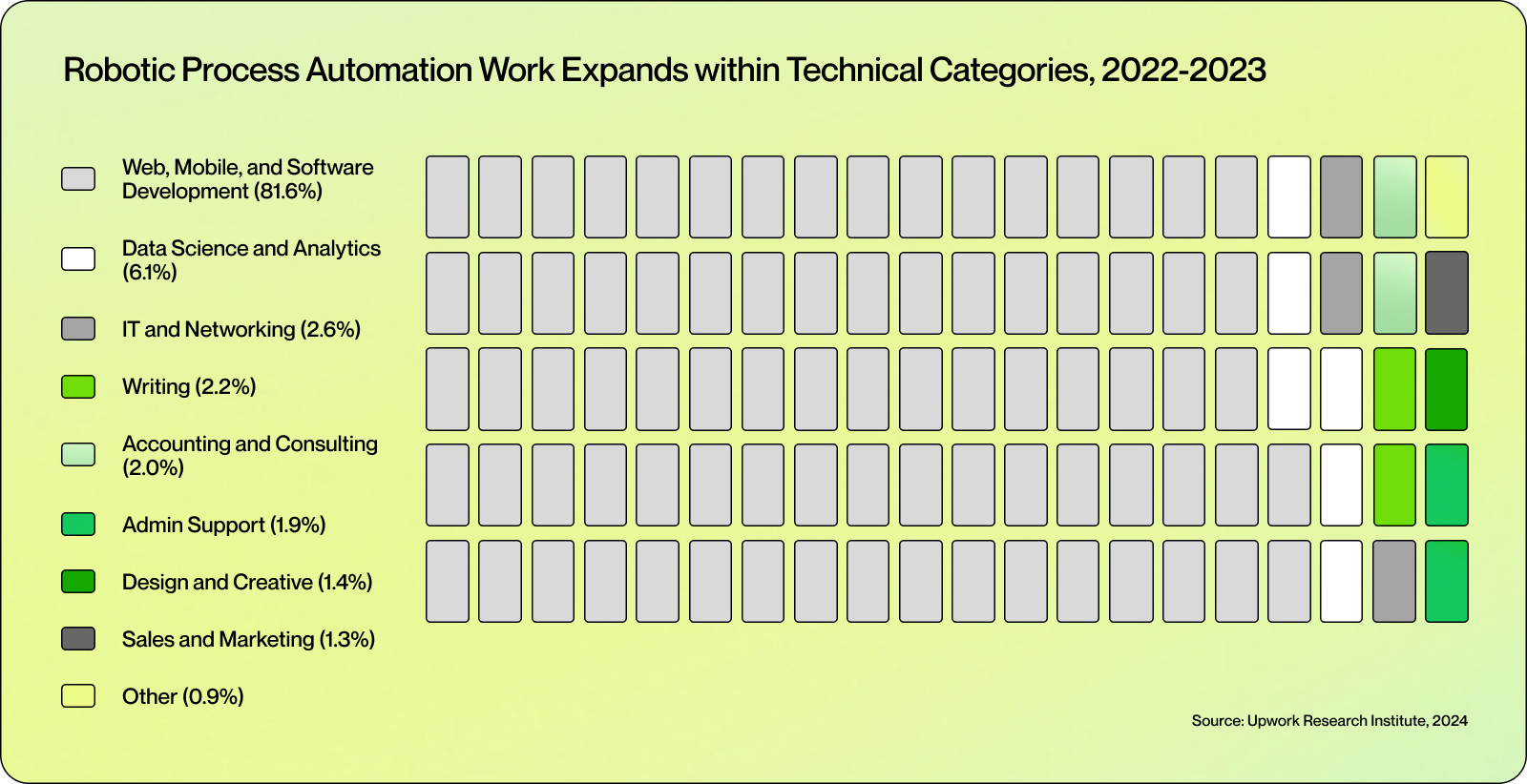
Figure 2(b), data based on Upwork job posts
The contrast between AI and these two influential technologies highlights two key points. First, while we do not yet characterize AI as a general-purpose technology based on the current analysis, we believe that it’s more likely to become one compared to cloud computing and RPA. This belief is based on the wide range of job categories that AI has reshaped. Second, when assessing how a technology shapes the future of work, it’s important to consider not just how it changes the way people work, but also the types of work it creates or transforms. In the next section, we’ll dive deeper into some examples to further illustrate the second point.
How AI democratizes and powers new work
We've shown that AI has broad applications across many job categories, making it important to understand how it's not only changing the nature of work but also transforming work across many fields, creating new opportunities and opening doors for people looking to reskill and upskill.
We began by analyzing where much of the AI work is happening on Upwork: Data Science & Analytics (DS) job posts. Our focus was on the job posts closely related to generative AI. Since January 2024, we’ve seen that over 13% of job posts in this area are tied to AI model development and deployment, but the majority of roles involve applying AI in practical ways. For example, in “Conversational AI,” many jobs involve building chatbots or integrating ChatGPT, while the “AI Tools and Services” subcategory includes roles using tools like Microsoft 365 Copilot. This data suggests that while traditional AI roles like AI models and architectures and AI development and deployment remain important, there’s a greater emphasis on AI applications that directly interact with users and enhance business processes.

Figure 3
AI’s applications extend beyond DS. In Engineering & Architecture, a category that directly benefits from the rise of gen AI, we observed job posts that use AI tools to make 3D content generation easier and faster. Freelancers are designing 3D models and creating realistic renders without needing advanced coding skills, which opens opportunities for people from non-technical fields like art history. This change democratizes access to complex tasks, allowing creatives and professionals from diverse backgrounds to contribute to projects that were once dominated by engineers, leading to more varied perspectives in design and architecture.
In Writing and Translation, AI is also contributing to how people work and creating new types of work. Technical writers who previously produced software manuals are now creating documentation and content about AI products. There are also writers who are improving writing generated by AI and others who are incorporating AI tools into their work.
What has happened in translation is also fascinating, as we have uncovered in a related study. While traditional translation work continues to exist, AI-related translation is emerging and playing a bigger role, improving translation models, maintaining quality, and helping clients adopt AI tools. For writers and translators, AI isn’t replacing their work but enhancing it, allowing them to focus on higher-level tasks, such as editing AI outputs or providing specialized guidance.
In the Design category, AI content creation is prominent, with tasks focused on generating social media posts, realistic interior design concepts, and AI-generated images and videos. Another key area is AI-based photo and video editing, where AI is used to convert photos into realistic moving videos or enhance images. Additionally, roles in AI training video production and the creation of AI avatars and 2D animated videos show how AI is being leveraged to produce dynamic, engaging content. This shift allows designers to spend less time on repetitive tasks and more on creativity and strategic work, making AI a tool that helps enhance productivity while expanding the types of projects designers can take on.
In Admin Support, roles like "AI Chief of Workflows" and virtual assistants (VAs) with expertise in AI tools are becoming more common, highlighting the growing need to oversee and streamline AI processes within organizations. There's a strong emphasis on data labeling and research, particularly for training AI models and evaluating AI outputs, which are crucial tasks in developing and refining AI systems. These changes are transforming the administrative field from traditional support roles into more specialized positions, where managing AI processes and data is critical. This provides admin professionals with a path to upskill and take on more complex, tech-driven responsibilities.
In short, AI is not only changing how work gets done but also who can do it. Put another way, generative AI is democratizing opportunities across a broad spectrum of work: It’s transforming a wide range of jobs, making them more accessible to freelancers from all backgrounds while pushing each field to evolve in response to these technological advances.
What's next?
Looking ahead to 2025, AI’s role in the workplace will continue to evolve, especially as it becomes more deeply embedded in everyday tasks, a shift known as “augmented working.” We’ll see AI used in multimodal tasks and AI agents that perform complex duties autonomously, moving beyond simple tools to resemble colleagues. This shift won’t be without challenges—defining AI’s autonomy, delegating tasks, and scoping roles will all require careful negotiation.
Yet this change also promises deeper human-AI collaboration, allowing individuals to harness their unique strengths while AI handles routine and complex tasks. As shown in this report, AI-human collaboration is already widespread across most job categories, proving that success with AI depends more on adaptability than on the specific field you work in.
By taking on repetitive and complex tasks, AI frees people to focus on more creative, strategic roles, potentially leading to greater job satisfaction and new career paths. Importantly, AI agents can democratize access to high-value work, enabling diverse talent to engage in complex projects without needing advanced technical skills. Those who embrace and adapt to AI will be best positioned to thrive as the job market transforms.
Methodology
In this study, we’ve employed a rigorous yet intuitive methodology to analyze the trends and demands of AI-related job postings over several years, focusing on the growing field of generative AI (gen AI) skills. The methodology is structured around data querying, filtering, ML (machine learning) model training, and visualization to provide a comprehensive picture of the AI job market.
The process begins with querying job posts, specifically targeting those relevant to AI by using keywords like “artificial intelligence” and “machine learning,” while systematically excluding irrelevant terms such as “email.” To ensure that only pertinent data was considered, we applied filters based on projected job value, defined a date range of when the job post appears. This step ensures that the data sample captures the true extent of AI work landscape as much as possible.
To further refine the accuracy of our approach, we trained a Random Forest Classifier model using labeled data. For AI job posts, the training dataset has 2,000 observations and is labeled and proofread manually by us. We used 1,000 job posts each for the model training to classify cloud computing and RPA work. Unlike more straightforward keyword-matching techniques commonly employed elsewhere, our approach involves converting text into numerical features through Term Frequency-Inverse Document Frequency (TF-IDF) vectorization. This allows the classifier to capture the nuanced ways AI topics are discussed, significantly reducing the risk of false positives. The accuracy of this classification model is over 97% when used in the test datasets we created. While this technique provides a higher degree of precision, it’s important to acknowledge that the model’s effectiveness is contingent on the quality and comprehensiveness of the training data.
For the 2024 in-demand generative AI skills analysis, we’ve conducted a refined querying process on job posts that qualify under gen AI skills. We then group them into broader categories using a predefined dictionary. For example, “sentiment analysis” and “text summarization” are categorized under “natural language processing,” while “chatbot development” was grouped under “conversational AI.” This approach provided a clear overview of the demand for gen AI skills seen in Figure 3.
About Ted Liu
Ted Liu is the research manager of the Upwork Research Institute, where he focuses on how work and skills evolve in relation to technological progress such as artificial intelligence. He received his PhD in economics from the University of California, Santa Cruz.
About Aziz Ben Jemia
Aziz Ben Jemia is a researcher. He holds a B.A. in economics from UC Berkeley. With a background in data science and economic research, Aziz is passionate about leveraging data-driven insights to understand market trends and technological advancement.


.jpg)



Join the world's work marketplace
Find great talent. Find great work. Are you ready to move your business or career forward?
%20(1).png)