Are Freelancers Happier? Insights into Work Satisfaction
Discover the truth behind freelancer happiness. Dive into insights and studies, and hear from Upwork freelancers to reveal how freelance work impacts well-being.

.png)
.avif)
When people imagine freelancing, it often looks like freedom—like running errands midday, living in the same comfy clothes for three days straight, or working from a sailboat in the Mediterranean. These visions are actually real for some.
Freelancers do call the shots. They choose their income, career pace, and workday structure—with the amount of autonomy that many office-bound peers dream of.
But with all this control, are freelancers truly happier than their salaried counterparts?
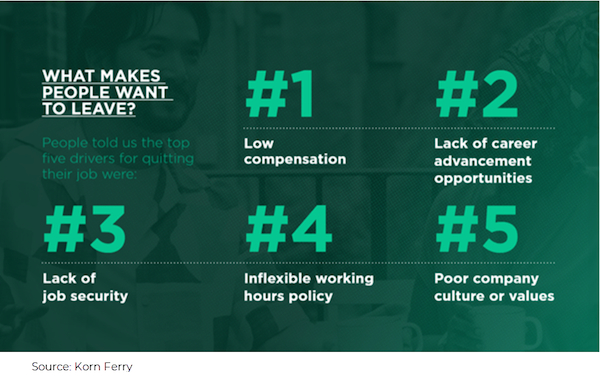
Let’s find out. We’ll compare freelance life against the top reasons people leave traditional jobs, as revealed by a Korn Ferry workforce report. After all, happy people stick around—so if freelancers avoid these pitfalls, they just might be happier.
Who’s freelancing?
Before determining if freelancers are happier than other workers, let’s clarify who they are. Freelancers are self-employed professionals who are also business owners. They build their businesses by offering in-demand services and staying relevant by regularly updating their skills and expanding their experience.
According to Upwork, nearly half of freelancers are knowledge workers in fields like IT, consulting, and marketing. They’re more likely than traditional employees to hold advanced degrees and manage complex projects. They’re also 2.2 times more likely to use generative AI.
In short, freelancers embody the high-caliber talent companies actively seek.
Freelancing is especially popular among younger generations. In 2023, over half of Gen Z (52%) and 44% of millennials took on freelance projects. In 2024, the majority of Gen Z freelancers (53%) are doing so full time.

Income and stability
For many, pay impacts job satisfaction. If you feel you’re being fairly compensated for the work you provide, you’ll probably enjoy your job more, right?
According to an Upwork study, 44% say they're earning more than they did in their traditional jobs. A major reason is that freelancers set their own rates and work with multiple clients, so they have a higher income potential than their salaried peers.
Having the autonomy to align their rates with their skills and experience leads to greater financial satisfaction. In contrast, nearly 4 out of 10 traditional employees (38%) believe they’re underpaid for the value they bring to their organizations.
Work security also contributes to freelancers' satisfaction with their earnings. In fact, 77% of freelancers report working consistently, all while following a schedule that best fits their lifestyle.
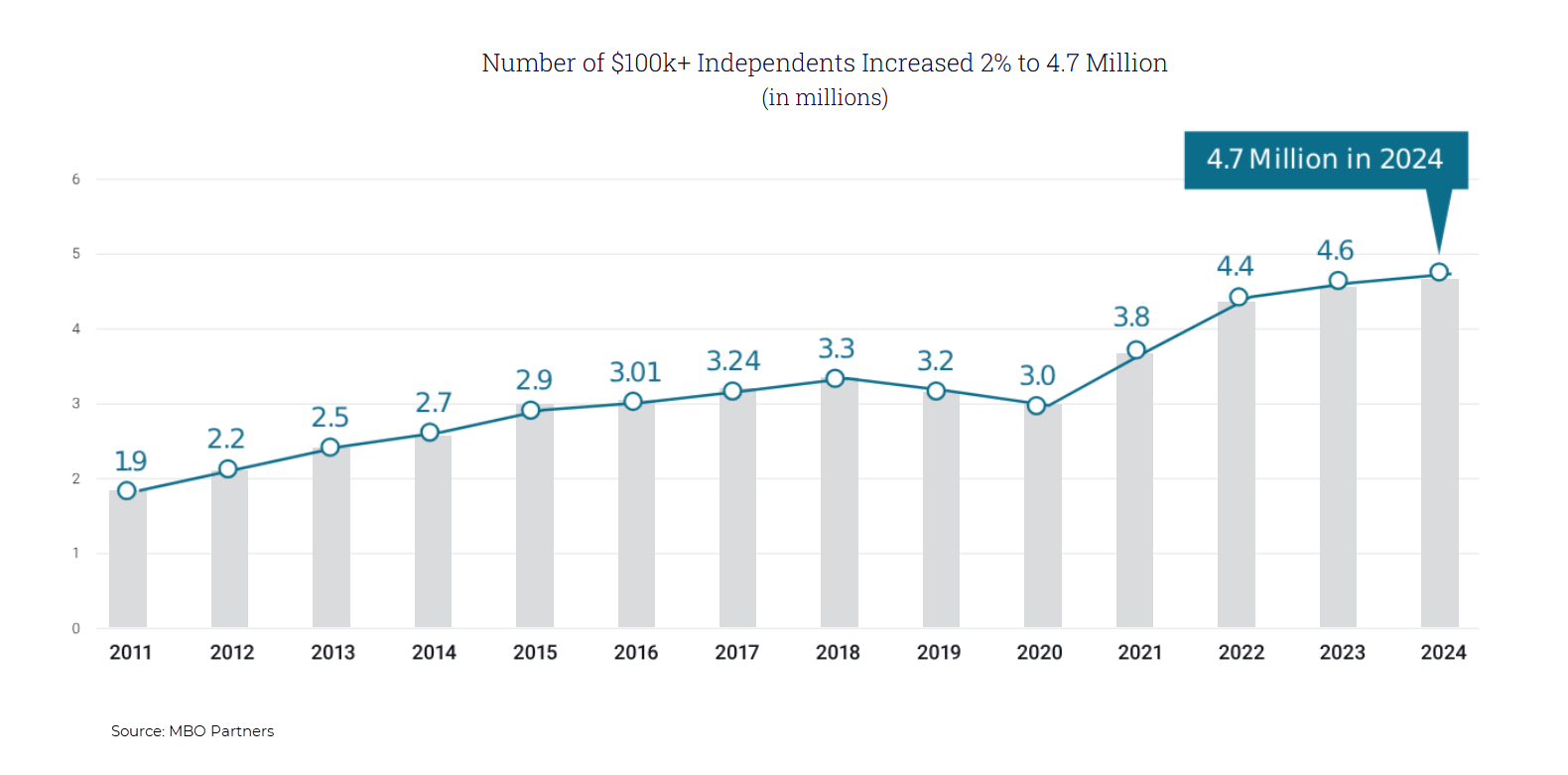
Research from MBO Partners also shows a steady rise in freelancers earning over $100,000 a year, making independent work not only more satisfying but sometimes more lucrative.
Read: How Much Can Freelancers Make?
Career path and growth
Randstad research suggests that workers today are less focused on climbing the traditional career ladder and more on finding roles that truly fit their lives. For some, that means staying put in their current role. For others, it means stepping outside the corporate world altogether.
Take generative AI specialist Arun Godwin Patel for example. After years of working for companies, he became a full-time freelancer on Upwork—here’s why:

Whether people have found their ideal role or are still searching, most (72%) still want to keep their skills sharp. However, only around half (52%) believe their employers will help develop their skills for the future.
In contrast, freelancers have total control over what they learn and when. Gen Z freelancers, in particular, are leading the charge, with 61% regularly using AI tools—well above the 41% of their traditionally employed Gen Z peers.
By embracing new tech and regularly upskilling, freelancers are setting themselves up for long-term success and building a career path that matches their passions.
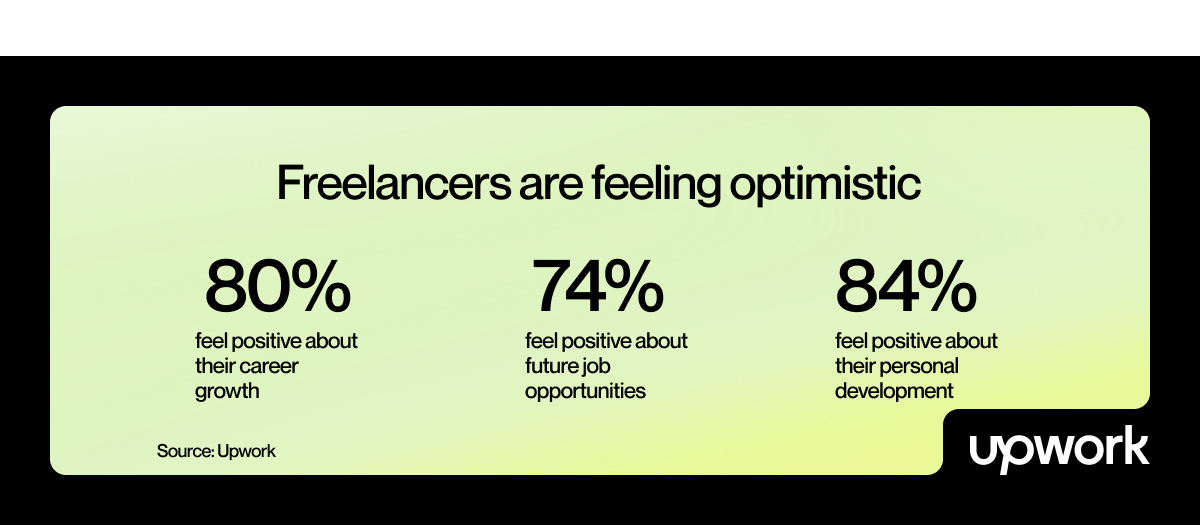
So, are freelancers happier with their careers than employees? Signals suggest so. An Upwork study shows a solid 80% of freelancers feel positive about their career growth and the future. The idea here is: If you’re feeling good about where your career is headed, there’s a good chance you’re happier with your work too.
Job security and outlook
Years ago, many thought freelancing was less stable than being employed, but that’s changed. Today, freelancers often feel more job security than traditional employees.
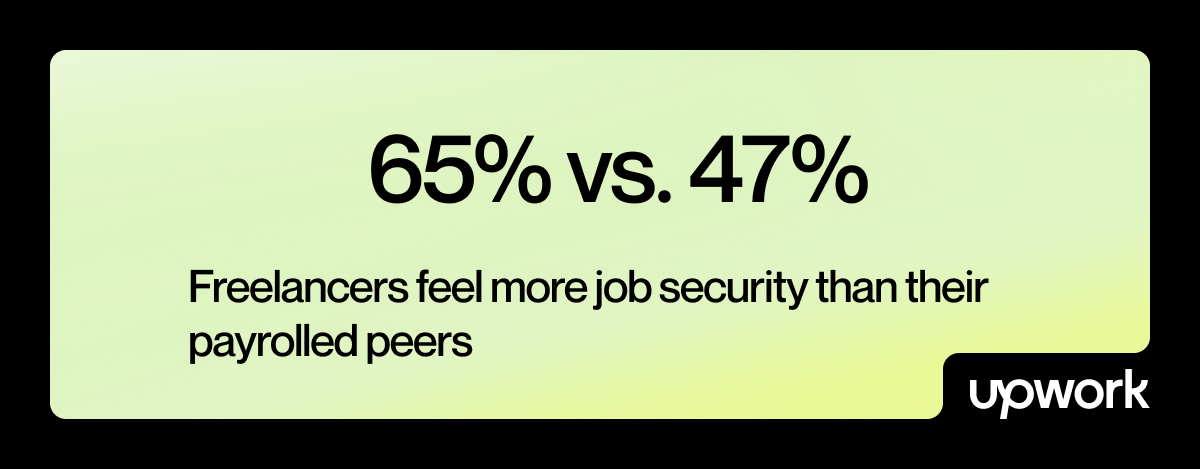
Studies show that most (65%) full-time freelancers feel more secure being self-employed, while nearly half of traditional employees (47%) worry about their job security.
One reason freelancers feel more job security is that they can spread out their risk. Many work with multiple clients, so if one client cuts back or moves on, freelancers still have income from others while they search for new projects. This flexibility gives them a level of control over their earnings that traditional employment doesn’t offer.
Thanks to social media and freelance marketplaces like Upwork, finding work has also become much easier than in the past. With these tools—and the growing acceptance of remote work—independent professionals can create a steady pipeline of projects and greater confidence in their long-term stability, such as how computer scientist Nick Gallo earns a steady living while traveling the country.

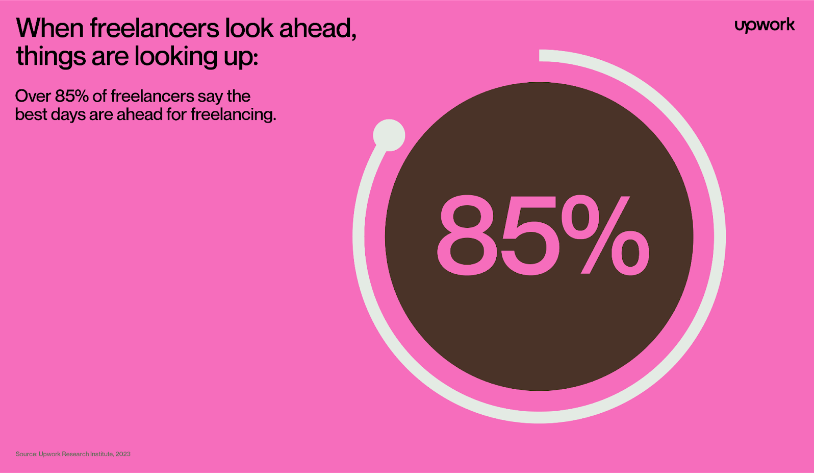
Nick isn’t alone in his bright outlook, as 85% of freelancers say the best days for freelancing are still ahead. When it comes to job security, freelancers may indeed feel happier than traditional employees.
Work-life balance
Money can’t buy happiness, but freedom and autonomy can lead to a greater sense of well-being. That’s according to a meta-analysis published by the American Psychological Association—and freelancers are living proof.
Freelancers get to call the shots on every aspect of their work: from choosing projects to deciding where, when, and how much they work. This level of control lets them align their work with their personal values and priorities, something many traditional employees feel is missing. In fact, less than half (47%) of traditional employees say their jobs truly fit who they are.
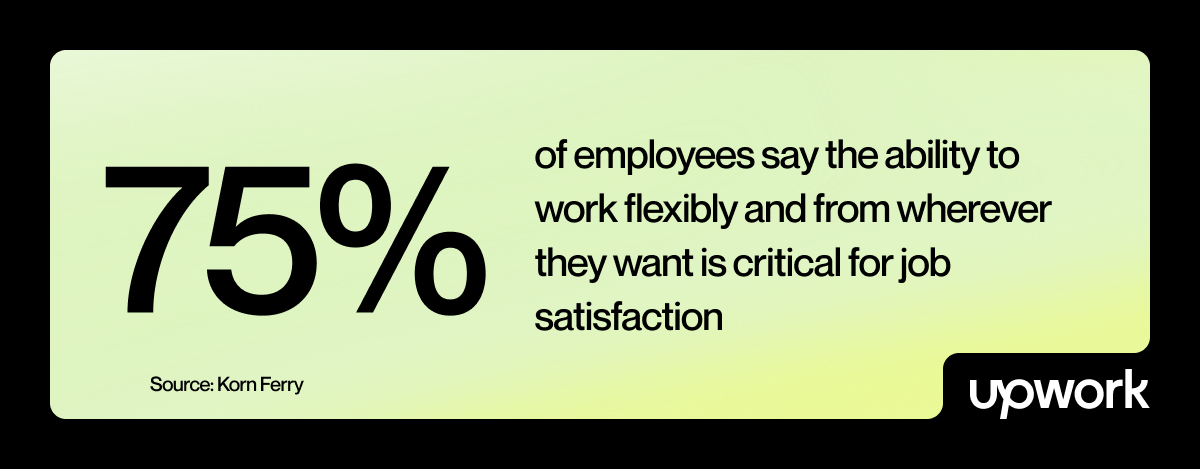
For most employees (75%), flexibility over when and where they work is essential for feeling happy at work, so much so that when looking for jobs, more than half (57%) search for roles that provide better work-life balance than a bigger paycheck.
Thankfully, brand strategist Betsy Grote doesn’t need to make that trade-off. As a full-time freelancer, she shapes her day to fit both work and family life:

The total autonomy freelancers have over their work location and schedule creates balanced and fulfilling careers and personal lives that many traditional employees seek.
Company culture and values
Workplace culture plays a huge role in how happy employees feel in their jobs. A culture that values equity, inclusion, and respect makes people feel valued, which boosts their motivation and job satisfaction. On the flip side, when workplaces lack these values, employees often feel disconnected and unmotivated.
Freelancers, however, don’t have to force themselves to fit into a company’s culture—they get to build their own. They set the rules for how they work, what projects they take on, and who they work with. They create a work environment that matches their values and personality.
This sovereignty to show up as her full self is one of the many reasons executive administrative assistant Catherine Marsden loves freelancing. She shares:

The freedom to shape their own work culture lets freelancers be exactly who they are and choose clients who align with their values. When you’re truly seen and respected, it’s easy to feel happier at work.
How to enhance satisfaction in your freelance career
Freelancing has a lot of perks, but it’s not without its challenges. Some of the biggest hurdles are managing an inconsistent income, finding clients, and sometimes feeling isolated from working solo all day.
But the good news is that there are ways to tackle these challenges and boost your satisfaction as a freelancer. Try these tips to enhance both your day-to-day work and your long-term career growth:
Choose projects wisely
One of the biggest perks of freelancing is the freedom to choose your work. Take on projects that align with your interests and values, and work with clients you enjoy. Declining projects that drain your energy, stress you out, or don’t pay enough opens up time for work that feels truly rewarding.
Set goals and celebrate wins
Set short-term and long-term goals to track your progress, whether they’re financial targets or personal achievements, like mastering a new skill or getting a 5-star review. And be sure to celebrate wins—big or small. As your own boss, it’s up to you to keep your motivation high.
Strengthen client relationships
Great client relationships can lead to steady work, referrals, and less time spent finding new clients. After completing a project, ask for feedback and periodically check in by sharing something valuable, like an industry article or a project idea to support their goals. Showing you care about their success strengthens the relationship—and can even improve the quality of your work.
Respect your work-life balance
Set a consistent work schedule to reduce the risk of burnout and prevent work from creeping into your personal life. Take short breaks throughout the day to recharge and release stress. Sitting at your desk browsing social media isn’t enough because you’re still at your desk. Try going for a quick walk, unloading the dishwasher, doing a 15-minute yoga routine, or anything else that gets you moving.
Network with other freelancers
Join online communities, attend Meetups, or grab coffee with a fellow freelancer. Having a support network of people who “get it” makes a world of difference—and they’ll appreciate your support too.
Invest in your skills
Keep learning to stay relevant and take on more challenging projects. The more you grow, the more value you bring to clients—and the more you can charge over time.
Build a career on your terms with Upwork
Overall, are freelancers happier than employees? Bottom line: yes. In addition to the findings cited earlier, a Pew Research study shows the self-employed find their jobs more enjoyable than traditionally employed workers.
But becoming a freelancer doesn’t guarantee you’ll be happier than working for a company.
Happiness depends on individual personality, values, and lifestyle. However, the freedom and control that freelancing offers may tip the scales in your favor.
If you’re ready to explore freelancing, Upwork provides resources to help you at every step, many of which are free and created by successful freelancers and industry experts. So, you’re getting proven support that works.
Whether you’re looking for occasional side projects or aiming to make freelancing a full-time career, Upwork connects you with opportunities from small businesses to global enterprises. Join Upwork today and start building a career on your terms.

.avif)

Author Spotlight

Brenda Do is a direct-response copywriter who loves to create content that helps businesses engage their target audience—whether that’s through enticing packaging copy to a painstakingly researched thought leadership piece. Brenda is the author of "It's Okay Not to Know"—a book helping kids grow up confident and compassionate.

Latest articles