Addressing Work Beef: How To Resolve Conflict Between Two Employees
Learn how to resolve workplace conflicts between teammates, from understanding "work beef" to implementing practical solutions.

.png)
.avif)
"Beefing" isn't just talked about in high school gossip anymore—it's a workplace phenomenon with a name, memes, and a growing presence across social media spaces and apps like TikTok, Instagram, and work-themed podcasts. The term, rooted in slang for unresolved conflict or drama, describes tensions between coworkers that disrupt team dynamics and morale.
What once may have been dismissed as simple disagreement is now widely recognized as a legitimate workplace issue, often spotlighted in viral TikTok ForYouPage (FYP) clips with hashtags like #memestiktok, #workmemes, #workhumor, #officehumor, #workdrama, #workbelike, #worklife, #officelife, #officehumor, and #corporatehumor.
Beef between team members is more than awkward—it can also be costly. From missed deadlines to team breakdowns, unresolved conflict chips away at productivity and culture.
This article can help team leaders and members recognize, address, and resolve work beef before it spirals out of control. We'll explore the roots of workplace conflict, break down actionable steps for resolution, and offer real-life scenarios from Reddit users. You'll come away with practical ways to turn these conflicts into opportunities for collaboration.
What is work beef?
Work beef is modern slang for workplace conflict—tension, resentment, or miscommunication between coworkers that lingers and escalates over time. It might be a simmering issue that starts small and eventually affects team morale, productivity, and communication.
The term "beef" has roots in hip-hop slang, where it originally referred to personal conflict or rivalry. Over time, it's been adopted into office lingo, evolving into "work beef" to describe drama in professional environments. And no, it's got nothing to do with hamburgers or the old "Where's the beef?" ad campaign—this isn't about ground beef; it's about real interpersonal tension that shows up in daily work life.
Thanks to platforms like the ForYou TikTok page, memes, and videos have made work beef a viral topic. Now, people are sharing their office drama with hashtags like #workbeef and #worklife, bringing more attention to how common—and disruptive—these conflicts can be.
If left unchecked, work beef can lead to burnout, turnover, and fractured teams. That's why it's so important for managers to recognize it early and know how to respond effectively.
Common sources of work beef

Workplace conflicts arise from various factors that can disrupt team harmony and productivity. Understanding these common triggers helps in developing effective resolution strategies.
- Personality clashes. Different communication styles, working preferences, and personal values often lead to friction between team members who approach tasks differently.
- Resource competition. Limited budgets, equipment access, and even management attention create tension when professionals feel they must compete for what they need to succeed.
- Recognition disputes. Conflicts frequently emerge when team members feel their contributions are overlooked or when credit is unevenly distributed for collaborative achievements.
- Communication breakdowns. Misinterpreted emails, unclear instructions, and information silos create misunderstandings that escalate into serious work beef situations.
- Work style differences. Methodical planners often clash with last-minute performers, creating friction around deadlines and project management approaches.
These conflicts manifest in modern workplaces through things like passive-aggressive emails, meeting exclusions, and information withholding.
"Per my last email…"
One common source of workplace conflict is the infamous "per my last email" trend, where tensions escalate when colleagues feel ignored after sending important information. This passive-aggressive phrase signals frustration when someone hasn't acknowledged or acted upon previously shared details, creating a communication breakdown that often spirals into deeper work beef.
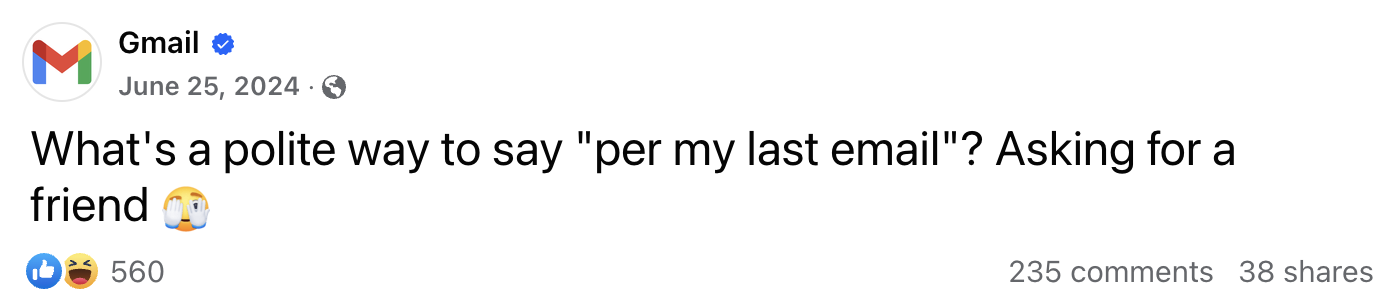
Instead of using this loaded phrase, try alternative approaches like emailing "I wanted to follow up on the information I shared earlier," scheduling a quick call to discuss the matter directly, or using collaboration tools that highlight action items more effectively.
Conflict resolution steps
Workplace conflict is inevitable, but unresolved work beef can harm team morale, communication, and outcomes. Team leaders can defuse tension by following a clear, empathetic process that brings issues to the surface and creates space for resolution.
Follow this step-by-step framework to resolve conflict between two employees:
- Identify the core issue. Before jumping into mediation, understand the root of the conflict. Is it about communication, recognition, workload, or something personal? Talk to each team member separately and ask open-ended questions to get their perspective without judgment.
- Facilitate a private conversation. Bring the involved parties together in a neutral setting. Set ground rules for respectful communication and give each person time to speak without interruption. Remain neutral and avoid taking sides.
- Find common ground. Focus on shared goals—whether it's finishing a project, serving clients, or improving the team dynamic. Look for areas where both parties agree or can compromise. Highlight how resolving the issue benefits everyone.
- Develop a clear action plan. Outline specific changes or commitments from each person. This could include clearer communication, role adjustments, or check-ins to ensure follow-through. Document the plan if needed to keep everyone accountable.
- Follow up and check in. Revisit the issue regularly to make sure progress is being made, and the work beef hasn't returned in a new form. Praise improvements and continue to model conflict resolution as part of a healthy office culture.
Need help managing team tension or workplace conflict? Hire an experienced conflict resolution professional on Upwork to guide your team through productive conversations and build a stronger, more collaborative work environment.
Real-world case studies
Workplace conflict plays out everywhere, from restaurants to state offices. Below are real scenarios shared by Reddit users, each paired with clear, practical ways to address the conflict using the steps outlined above.
When a non-manager controls the schedule
In this post from a Reddit user, a younger team member describes ongoing tension with a coworker who controls the schedule without formal authority:
"Jessie (who isn't a manager but makes the hours for all hosts) has been shorting me hours."
On top of that, "She has been telling the other hosts she's ignoring my request and pretending it didn't happen."
To make matters worse, "She continuously makes sure she works every day and gets overtime, and the managers don't notice since she is the one in charge of them."
Below, we offer how to handle this situation step by step:
- Identify the issue. The core conflict is unfair scheduling and potential abuse of authority. Document and date all incidents, such as shift changes and conversations.
- Facilitate communication (if it is safe to do so). If comfortable, ask Jessie directly about the issue in a calm, professional tone. Keep a record of this interaction, especially if she dismisses your request.
- Find common ground. If possible, frame the conversation around fairness for the entire team, not just personal concerns. This approach avoids escalation and focuses on equality.
- Develop an action plan with leadership. If the conflict continues, approach a manager with your documentation. Emphasize that the scheduling conflict is impacting your hours and morale, and request a more transparent or manager-reviewed scheduling process.
- Follow up. Monitor future schedules to see if anything changes, and be prepared to escalate the issue professionally if retaliation occurs.
Dealing with difficult coworkers
In this Reddit user post, someone describes a tense situation where a difficult coworker has a close relationship with their boss, making it hard to report issues:
"This coworker is very moody and easy to get angry. Our boss loves this coworker, so I can't really talk about this to my boss."
One might navigate this challenge with the following steps:
1. Identify the issue. Recognize the specific behavior that's disruptive—whether it's aggressive communication or refusal to collaborate. Keep a private log of incidents.
2. Facilitate communication (carefully). Avoid direct confrontation. Instead, use non-threatening language to clarify misunderstandings or set boundaries. For example: "Hey, I want to make sure we're aligned on this task."
3. Find common ground through indirect support. Build rapport with other colleagues. Forming positive working relationships with teammates can help buffer conflict and show leadership that you're a consistent, collaborative presence.
4. Focus on professional development. Document your own wins, take initiative on team projects, and maintain professionalism. If things escalate, you'll have a strong track record to back you up—even if your boss favors the other person.
5. Reassess and adapt. If the situation becomes toxic and unresolved, it may be time to seek a transfer or explore new roles that offer healthier team dynamics.
Communication strategies for mediating conflicts
When two team members are involved in a work dispute, the key is to be respectful and productive. The right approach can de-escalate tension, open up dialogue, and lead to real resolution.
Here are communication techniques to use during mediation:
- Practice active listening. Give each person space to speak without interruption. Reflect back on what you hear to confirm your understanding and show that you're fully engaged.
- Avoid placing blame. Focus on facts and shared goals rather than personal opinions or emotional reactions.
- Acknowledge emotions. Recognize when someone is frustrated, hurt, or anxious. Validating emotions helps people feel seen and lowers defensiveness.
- Facilitate structured dialogue. Set clear ground rules for respectful communication and guide the conversation so both voices are heard equally.
- Maintain structured dialogue. To protect trust and confidentiality, hold conflict conversations in a private space, sharing information about the issue away from the rest of the team.
Sample mediation language
These conversation starters and language tips can help teammates and leaders discuss issues:
- "I wanted to bring us together to talk through a few concerns I've noticed between you and [other teammate's name]."
- "Let's focus on what each of you needs to move forward and work well together."
- "It sounds like there's been a breakdown in communication—can we walk through what happened from each of your perspectives?"
- "What's one change you think could improve how you collaborate going forward?"
These openers set a neutral tone and invite solutions rather than defensiveness.
Turn conflict into growth
Workplace conflict doesn't have to be destructive. When recognized and addressed early, it becomes a chance to strengthen relationships, clarify expectations, and improve team collaboration.
With strong communication, team involvement, and transparency, even the most awkward workplace moments can lead to better outcomes.
Ready to flex the communication skills you just learned, or need help building a stronger team? Find jobs or hire experienced professionals on Upwork today!

.avif)

Author Spotlight

Upwork is the world’s largest human and AI-powered work marketplace that connects businesses with independent talent from across the globe. We serve everyone from one-person startups to large organizations with a powerful, trust-driven platform that enables companies and talent to work together in new ways that unlock their potential.