How To Make Extra Income While Working Full Time
Discover the best ways to earn extra cash while working full time with these popular side hustles and business ideas.

.png)
.avif)
Even if you work full time, you may want to explore ways to make extra money. Many people with full-time jobs have side hustles, from freelancing to affiliate marketing. Sometimes, these are short-term solutions to earn additional income; other times, they’re just the beginning of a new career or business. Everyone's situation is different, and that's OK. No matter your reasons, you have many options for making extra money while working full time. This guide will help you get started.
Assess your skills and interests
Before you begin this journey, you need to figure out exactly what you're hoping to achieve. Ask yourself why you want to do this and what your goals are. You also must be realistic about your expectations.
Understanding your goals and motivation makes it easier to brainstorm how you can achieve them. Start with what you're most interested in. Think about what hobbies and activities you do in your spare time and the types of tasks and projects you like best at your current and past jobs.
After that, conduct a self-skills audit. Make a list of the different skills you have and note your level of proficiency with each.
Tip: Before you dive too deep, make sure that having a side gig won't interfere with your full-time work contract. You may have a non-compete clause or other restrictions that could limit the type of work you can do.
Explore side hustle ideas
Once you have your list of hobbies, interests, and skills, you can start researching ways to make money with them. Some side gigs let you start working immediately, while others require you to have built a foundation first. Think about what would be the best side hustle for you based on your work schedule and the amount of free time you can dedicate to extra work.
These side hustle ideas can help you get started:
- Freelancing
- Gig-based work
- Selling handmade crafts
- Creating and selling digital products
- Blogging
- A YouTube channel
- Social media
- Peer-to-peer lending
- Real estate crowdfunding
- Dividend investing
- Renting out unused property or belongings
- Affiliate marketing
- Dropshipping
- Online surveys and focus groups
- Teaching English online
1. Freelancing

Photo by Vitaly Gariev on Pexels
As a freelancer, you work directly with clients, negotiating your contracts. You get to decide how many hours you're available each week, what projects you say yes to, and your hourly rate. Many people choose to freelance because of its flexibility. Two benefits of freelancing are that you can work remotely and have more control over when you work.
Compared to full-time employees, freelancers typically are highly specialized. Becoming an expert in a niche allows you to charge more as your reputation builds and the demand for your skills rises.
You can choose from a wide range of categories from highly technical, like engineering and architecture, to more artistic, like design and creative.
These are some popular freelancing skills on Upwork with their median hourly rates:
- Copywriter. $19-$45/hr
- Editor. $15-$40/hr
- Graphic designer. $15-$35/hr
- Web designer. $15-$30/hr
- Virtual assistant. $10-$20/hr
- Translator. $15-$25/hr
- Transcriptionist. $12-$22/hr
You can see how much freelancers typically make for other skills on Upwork in the Hourly Rates Guide and check out some of the highest-paying freelance jobs.
Getting started as a freelancer on Upwork is simple. All you have to do is create a profile. You want to make sure your Upwork profile is 100% complete, and that includes a portfolio. Showcase a wide range of past projects that potential clients can check out to get a feel for your work. After your profile is ready, you can start bidding on projects and work on landing your first client.
More freelancing resources:
- What is freelancing?
- How to get more jobs on Upwork
- Pros and cons of freelancing
- Easy project ideas for beginners
- Tips for working from home
- Freelancing tips for success
2. Gig-based work

Photo by Tony Sebastian on Pexels
Gig-based side hustles let you work on demand. They typically have service apps or websites that allow you to choose your availability and accept short-term jobs when you can. Depending on the type of gig, you may need to set your weekly availability ahead of time, while for others, you can turn it on as needed.
Some gigs like rideshare driving or food delivery have peak hours when you can earn more. What you can make as a gig worker often depends on where you live and the type of gig. Ridesharing and delivery typically have set hourly rates for workers, and then you get to keep tips from customers. Gigs like tutoring or pet care often let you choose what you charge for your services.
Popular gigs for side hustles:
Delivery driving: Drive and pick up food or grocery orders and deliver them to customers.
Apps to try:
Shopper: Receive grocery shopping lists from customers, then shop, check out, and prep orders for customers or delivery drivers to pick up.
Apps to try:
Pet care: Get paid to walk dogs, check on and feed pets, or watch pets overnight or in your home.
Apps to try:
Tutoring: Help students study and do test prep for subjects that you know well or teach skills you have advanced knowledge in.
Apps to try:
Tasking: If you're handy, you can earn extra income by helping neighbors and those who live close by with tasks like yard work or assembling furniture.
Apps to try:
3. Selling handmade crafts

Photo by Andrea Piacquadio on Pexels
If you want to start a business from home, selling handmade products can be a fun and rewarding option. Think about your hobbies. Would anyone be interested in buying what you're already making? You may have a creative outlet like designing jewelry or crocheting, and you could turn this into a side hustle by selling what you make online.
The first step is deciding on an e-commerce channel. You could set up your own website or Shopify storefront to avoid seller fees and have more control over your marketing.
Instead of building your own website and setting up shipping, payment processing, and sales tax, marketplaces like Etsy, eBay, and Amazon Handmade take care of the back end. All you have to do is provide the product and create your listing, then pay a fee or percentage of your sales.
Once you have your selling channel, you'll need to develop a marketing strategy. Some online marketplaces like Etsy let you run ads or promote your listings. Depending on the platform or marketplace you use, you can optimize your listings with the right keywords to help boost SEO.
4. Creating and selling digital products

Photo by Kaboompics.com on Pexels
Instead of offering physical handmade goods, you can create and sell digital products. Marketplaces like Creative Market, Etsy, Gumroad, or Amazon KDP let you sell digital goods to customers. These digital products could be creative, like artwork and knitting patterns, or more functional, like templates and planners.
If the digital products don't need to be customized, you have unlimited selling potential. The entire checkout and delivery process is likely automated when you use one of these platforms.
Setting up a website gives you more e-commerce marketing and advertising options. You can dive deeper into SEO and create blogs, articles, and other content to promote your digital products. If you have a marketing budget, you can also run ads on social media or search engines like Google.
Tip: If you want to create your own website, you can look to Project Catalog™ to see what e-commerce website projects are available and within your budget.
Digital product ideas:
- E-books
- Stock photos (Sell to Shutterstock or Adobe)
- Learning and training courses
- Spreadsheets
- Planners and journals
- Crafting plans (for example, knitting or crochet)
- Fonts
- Templates (for example, presentations or social media)
- Animations
- Graphics
5. Blogging

Photo by PNW Production on Pexels
Blogs that get enough traffic can bring in additional income through advertising or affiliate marketing. When starting a blog, you'll want to have a niche. Think about what you enjoy doing and would like to write about, and consider the value or unique perspective you can bring to that space.
Having a niche helps you define and target the right audience when promoting and marketing your blog. Your niche also guides your content creation, making it easier to come up with topics and blog ideas.
You can build your own website using a drag-and-drop website builder like Squarespace or Wix. Once you have a website and have created content, you can start experimenting with marketing and driving traffic to your blog through SEO, ads, and social media marketing.
6. A YouTube channel

Photo by RDNE Stock project on Pexels
Starting a YouTube channel is similar to blogging, but instead of written content, you create videos. You'll want to have a niche for your channel and create videos around that theme. YouTube has its own SEO for videos based on the title, description, tags, and categories, along with other best practices to improve ranking.
Creating YouTube videos combines skills like videography, editing, and even animation if you want to add graphics or animated content. Filming high-quality content and professionally editing your videos can boost your video ranking.
Once you have enough traffic, brands will pay to run ads on your videos. Another way to monetize your channel is by promoting products and affiliate marketing or creating a channel membership for exclusive content.
7. Social media

If you enjoy creating content on social media, you can turn it into a side hustle by growing your following and partnering with brands to promote their products. Successful creators on social media have a niche, just like with YouTubing or blogging. People should know what type of content you'll be creating and why they should follow your channels.
The most popular social media platforms are Instagram, TikTok, X (formerly known as Twitter), and Facebook. When creating a social media strategy, you'll want to figure out which channels you want to use and what type of content you'll post on each one.
When building a brand on social media, you want to post consistently and create new content regularly to keep your followers engaged. The content should be a mix of informative or entertaining content and promotions. You can promote products that fit your brand and earn commissions from the sales or charge for promotional posts.
8. Peer-to-peer lending

Photo by RDNE Stock project on Pexels
Peer-to-peer lending lets individuals get personal or small business loans from other people without going through a bank. Instead of paying interest to a financial institution, this money goes straight to the lender.
This lending goes through platforms like Lending Club, Prosper, and Funding Circle. These platforms set the rates and terms and facilitate the transaction. The loan amounts are often smaller, between $1,000 and $50,000. As a lender, you can see applicant profiles and choose who to accept and loan money to.
Peer-to-peer lending is riskier than other types of investing, so it has higher rewards. For example, the average return on Prosper is 5.7%. If you have your money in a regular savings account through your bank, the average interest rate is just 0.46%.
While you can see an applicant's profile and financial history, these platforms can't guarantee you'll get paid back. Riskier borrowers will have higher interest rates—which can mean more money for you, but a higher potential that the borrower may default.
9. Real estate crowdfunding

Photo by Pavel Danilyuk on Pexels
Real estate crowdfunding allows you to buy a residential or commercial property with other investors online, creating a pool of capital. This is a way to diversify your investments and get into real estate while lowering your risk and cost of investment. You get to choose how much you're willing to invest. The more investors a crowdfund has, the lower the buy-in amount. You may be able to own a small share of the property with just a couple hundred dollars.
Companies use this type of crowdfunding to raise capital to purchase properties or develop. As an investor, you can share in the profits.
Popular platforms include:
10. Dividend investing

Photo by Leeloo The First on Pexels
Dividend investing is when you buy stocks in a company, become a shareholder, and then get paid monthly, quarterly, or annually based on profits. The dividend can be cash payments, stock shares, or reinvestment programs.
Dividends are based on a company's performance, so you should research different industries and companies before you decide where to invest. The dividend yield is how much the company pays in dividends compared to the stock price.
Let's say you purchase 200 shares of Company X for $10 each, investing a total of $2,000. The company pays a $0.25 annual dividend for every share. At the end of the year, you'll receive $50 in dividend payments.
Popular platforms for dividend investing:
11. Renting out unused property or belongings

Photo by Negative Space on Pexels
You may want to rent out your unused space or gear to your neighbors or travelers to earn additional income. You can find apps that make it easy to create listings, set a price, and manage bookings for your spaces and belongings. These apps often take a percentage of your earnings for their service and any insurance or protections they offer.
Popular rental apps to explore:
- Car. Getaround, Turo
- Outdoor gear. FriendWithA, Outdoorsy
- Cameras and film gear. ShareGrid, Wedio
- Creative spaces and venues. Giggster, Peerspace
- Home or room. Airbnb, Vrbo
- Parking space. CurbFlip, JustPark
- RV or Campervan. Outdoorsy, RVshare
- Pools or sports courts. Swimply, RecDay
- Boat. Getmyboat, Boatsetter
- Home storage. Neighbor, Stache
- Miscellaneous. RentMy, Fat Llama, Yoodlize
12. Affiliate marketing

Photo by George Milton on Pexels
Companies will pay you to promote their products if you can create a channel that gets enough traffic, whether it's a blog or a social media site. Once you have an affiliate link or code, you can earn commissions from your sales. This is called affiliate marketing.
Let's say that you have a travel blog as a hobby. You can join an affiliate program like Shopify, Amazon Associates, or Rakuten. These programs let you choose products to promote. You can select products that you think your readers would be interested in and incorporate them into your blog posts with shopping links. Every time one of your readers buys the product from your link or uses your promo code, you get a percentage of the sale.
How much you can make as an affiliate depends on the company and product. According to Shopify, you could earn 5% on the low end but up to 50% with some partners. Affiliate marketing is how many influencers make money on social media.
Tip: Upwork has an affiliate program. You can earn a commission (up to $150) for each new client that you bring to the platform.
13. Dropshipping
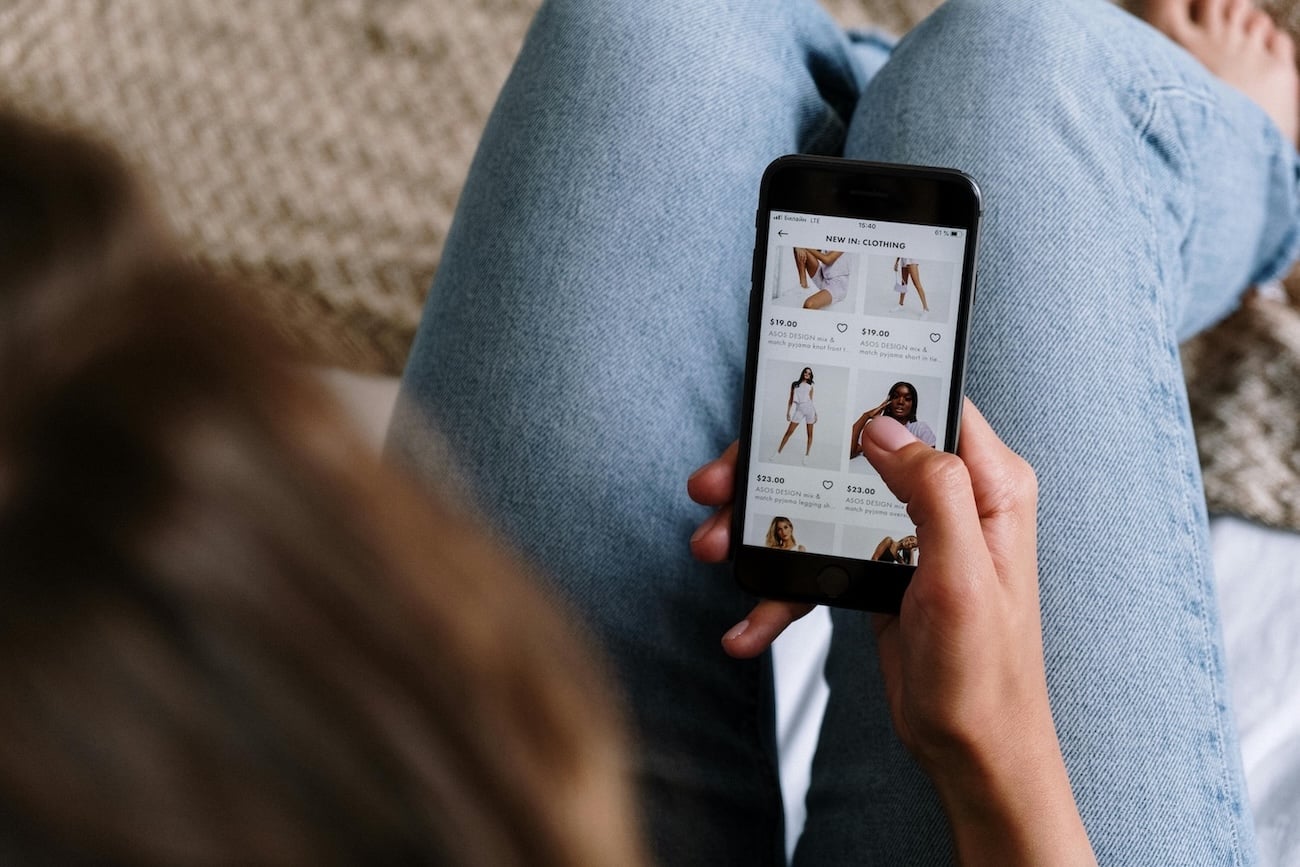
Photo by cottonbro studio on Pexels
Dropshipping lets you sell products online without having to handle inventory or shipping—another company fulfills the orders.
First, think about the types of products you want to sell. You can create an online store and curate the items your target customers would be interested in. Once you have an idea of what you want to sell, you'll need to find dropship suppliers on sites like AliExpress, Alibaba, or SaleHoo.
You'll want to set up an e-commerce website and list and advertise the products you're selling. When a customer places an order, you'll need to make sure that it’s sent to the dropship supplier on the back end. You'll pay them to ship the product to the customer.
Let's say that you want to sell a sweatshirt. If the dropshipper charges you $15 to fulfill the order, you can list the sweatshirt on your website for $25 and make $10 on every sale.
Tip: If you need help setting up your website, you can find e-commerce dropshipping experts on Upwork.
14. Online surveys and focus groups

Photo by Beyzanur K on Pexels
Brands and organizations collect data using online surveys and focus groups. You can participate in these surveys and focus groups as a side hustle when you have free time. The amount you can get paid for online surveys and focus groups can depend on how long they take. Some surveys are quick, and you can complete them in just 5 or 10 minutes, while a focus group may last over an hour and require answering many questions in real time.
According to Survey Junkie, you can earn up to $40 a month by taking three surveys a day on their website. Depending on the website, you may also receive free products to test and give honest reviews.
Where to find paid surveys:
Focus groups are often more involved. Depending on the focus group, you may need to fall into a specific demographic or interest group. Companies use focus groups for consumer research and testing ideas.
Where to find paid focus groups:
15. Teaching English online

Photo by Antoni Shkraba on Pexels
You can teach English to students from all over the world from the comfort of your home. Platforms like VIPKid connect students with teachers for small group or one-on-one classes to help make learning more accessible.
Depending on the platform, you may need to have previous teaching experience, a TESOL/TEFL certificate, and a four-year degree from an accredited university. Some platforms provide training and curriculum for teachers.
Where to teach English online:
Manage your time effectively
Figuring out a strategy for successfully earning a second income without burning out is important. You don't want your side hustle to interfere with your full-time job or have a negative impact on your mental health. Audit your time and be honest about how much you can commit without sacrificing too much. The less time you have, the more strategic you need to be with it.
Time management and productivity strategies to try include:
- Time blocking. Group similar tasks together into a block of time, e.g. 1 hour, and then turn off all distractions. Dedicate your full concentration to the tasks at hand, and then give yourself a break after.
- Use a Pomodoro timer. Work for 25 minutes distraction-free, then take a five-minute break. After four 25-minute blocks, enjoy a longer break.
- Create a schedule. Create a work schedule that you can commit to without feeling overwhelmed. Give yourself "working hours" and try to get into a routine.
- Change it up. If you're trying to work on the weekends or if you work from home, try going to a coffee shop or coworking space to get inspired and feel social.
- Avoid multitasking. Try to do only one task at a time. When you're at your 9-5, focus on that, and then save your side hustle for when you can give it your full attention.
- Outsource when needed. When you need help, turn to other freelancers and delegate tasks that you don't need to be hands-on for. You can also outsource household chores like cleaning, laundry, and ordering meal delivery if it's within your budget.
- Incorporate AI tools. Explore different generative AI tools like ChatGPT to help with creating content outlines, preliminary research, or writing emails. You may be able to find an AI tool for your industry, like Tabnine, that helps software developers with coding.
Market your side business
Marketing is an essential part of any business. Set aside time to figure out the best ways to market your business. Unless you're investing as your side hustle or working an on-demand gig like ridesharing, you'll need to develop a digital marketing strategy.
Marketing your side business can look like:
- Pay-per-click (PPC) ads
- Organic social media content
- Social media ads
- Gated content
- SEO
- Newsletters
- Blogging
You don't have to do all of this on your own. Hiring freelancers on Upwork to help with marketing can save time so you can focus on doing what you enjoy most. On Project Catalog, you can shop prescoped projects with fixed prices. All you have to do is search for the marketing service you're interested in, like SEO or PPC, and then find the right project for your budget.
If you have a specific and longer-term marketing project in mind, you can post your project to the Talent Marketplace™ and evaluate freelancer proposals.
As a freelancer on Upwork, you can market your business by running ads on the platform:
- Boosted Proposals. Get your proposal to the top of the list
- Availability Badge. Show clients that you're ready to work right now
- Boosted Profile. Let clients know you want job invites
Scale your side income
Imagine what you could accomplish with the help of independent professionals on Upwork. Hiring the right talent can make it possible for you to scale your side income and turn it into a profitable business. Working with freelancers lets you accomplish more than you could as just a team of one.
If you want to hire talent on Upwork, you can shop Project Catalog for prescoped fixed-price projects. Think of Project Catalog as packaged deals. The projects have a set price, and you get to choose the services you want. On Project Catalog, you can get help with aspects of your business like search engine marketing, social media content or even a complete business plan.
You can also post your project to Talent Marketplace if you want to work with someone long term or hourly. Freelancers can submit proposals and you can then interview your favorite candidates.
Start earning extra money with Upwork
If you want to earn extra income from home, freelancing is a flexible side hustle. As an independent professional, you set your schedule, deciding when you can work and what projects you have the time and energy for. Make this process easy and rewarding by using Upwork as your home for freelancing.
See what jobs are available right now on Talent Marketplace and list your services on Project Catalog. Work with clients from all over the world, building relationships and developing income streams. You can also use Upwork talent to scale your side hustle, taking on more projects with the extra help than you could complete by yourself. The possibilities are endless!
Upwork does not control, operate, or sponsor the tools or services discussed in this article, which are only provided as potential options. Each reader and company should take the time to adequately analyze and determine the tools or services that would best fit their specific needs and situation.

.avif)

Author Spotlight

Cassie is a storyteller and content creator with over eight years of experience helping brands communicate to their customers through different channels. She enjoys finding new coffee shops to work from and spending time in nature with her dog, Sweeney.