You will get an explainable AI reasoning engine for complex data
Project details
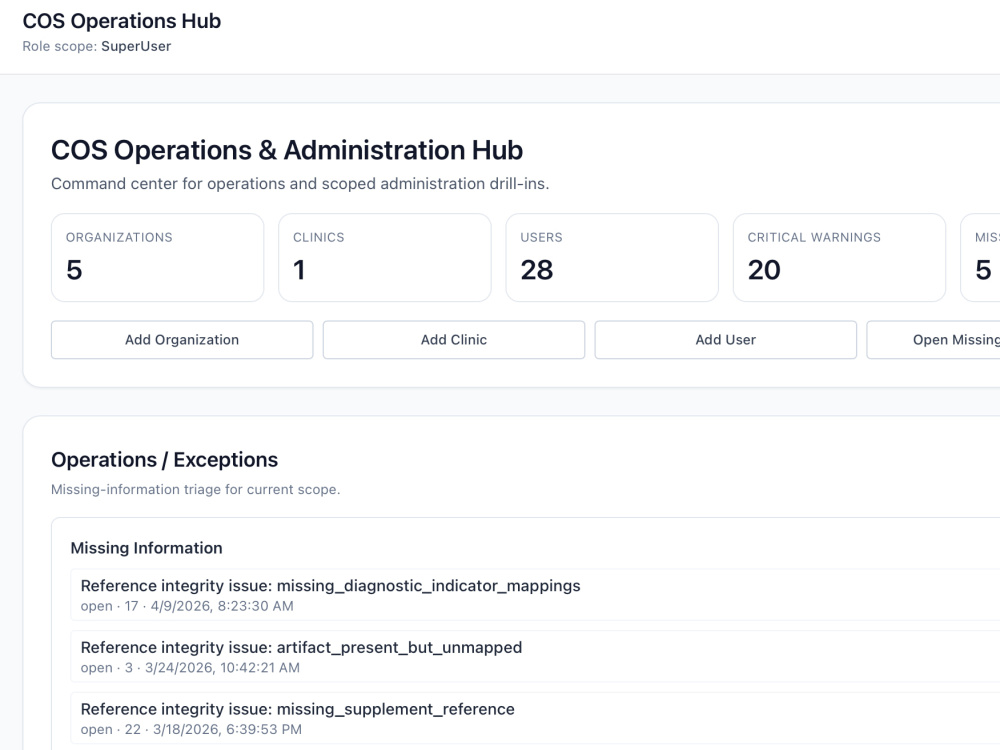
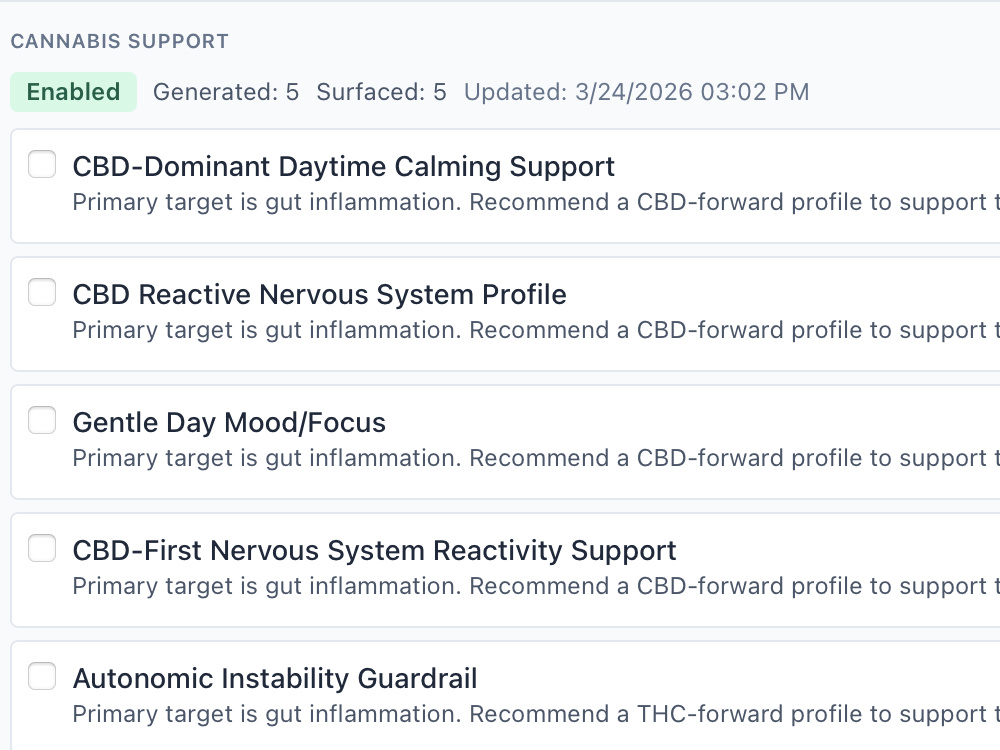
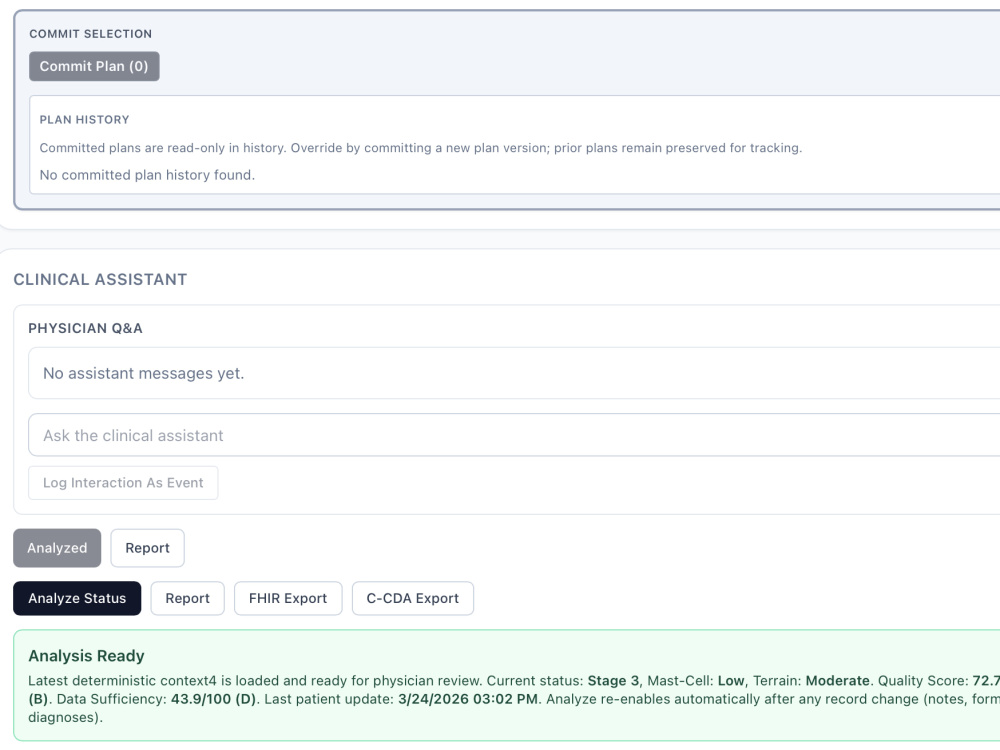
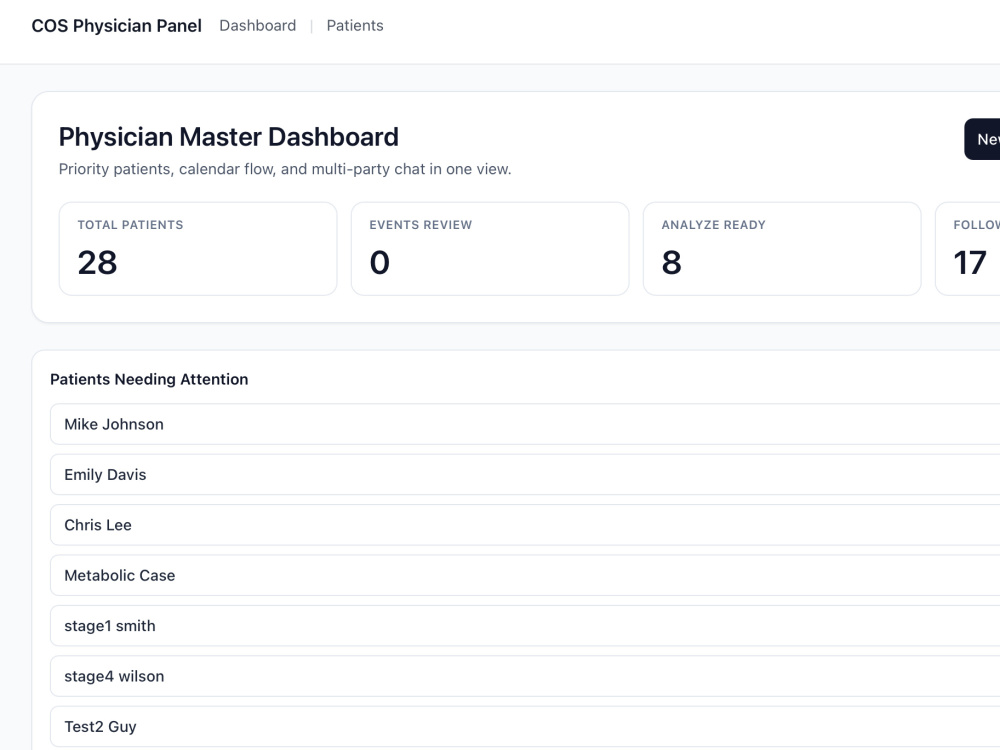
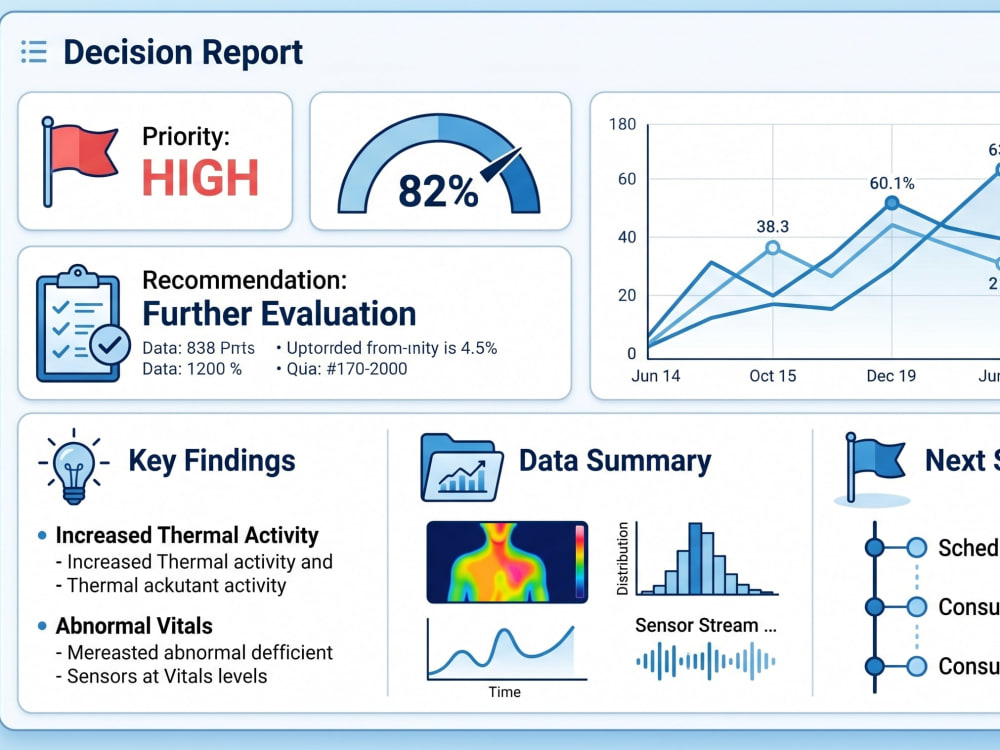
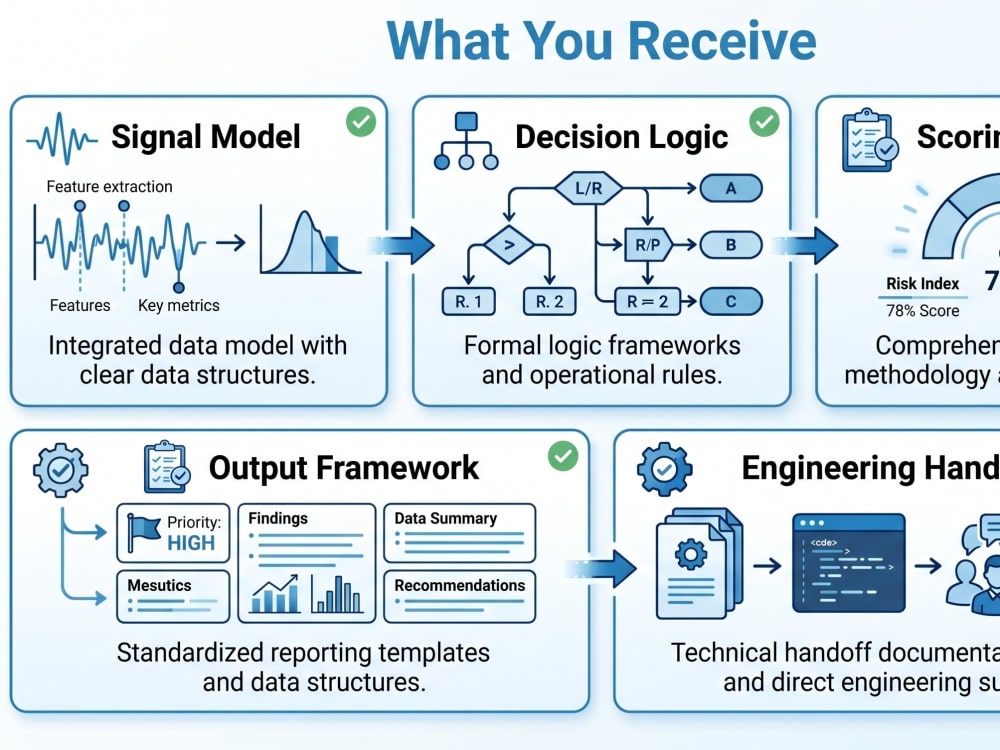
You will get a structured, explainable reasoning engine that transforms complex, fragmented data into clear decisions, scores, and actionable outputs.
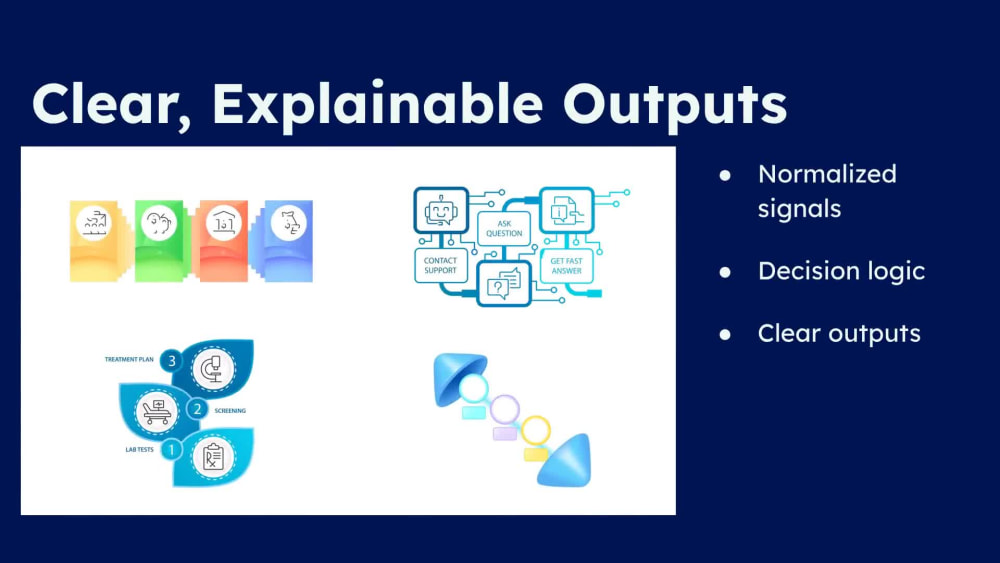
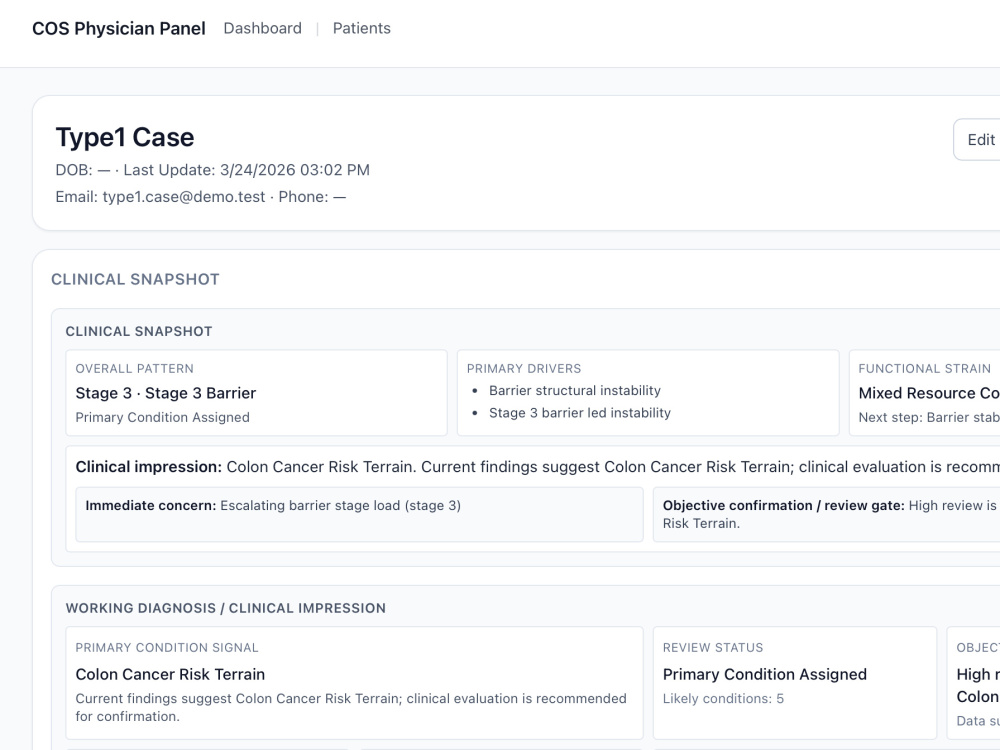
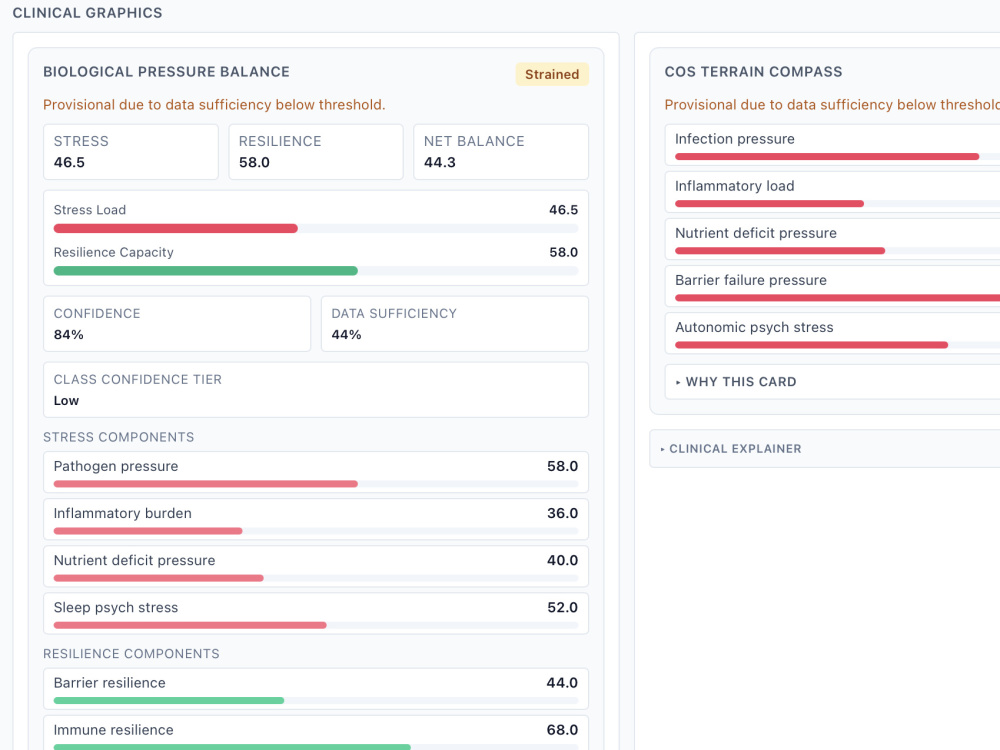
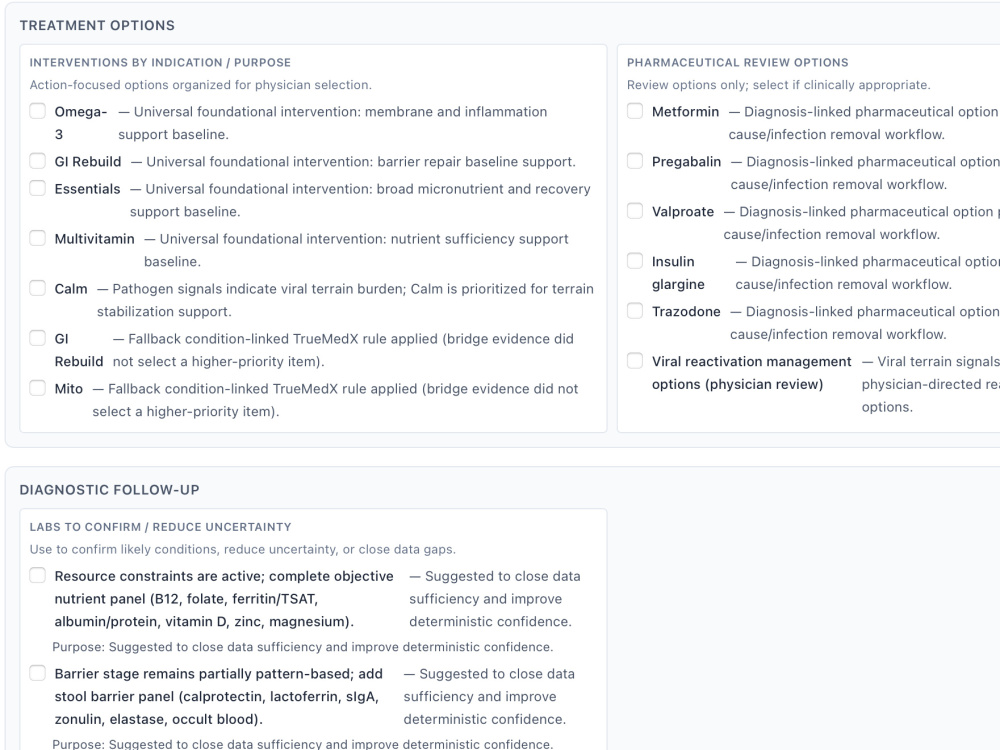
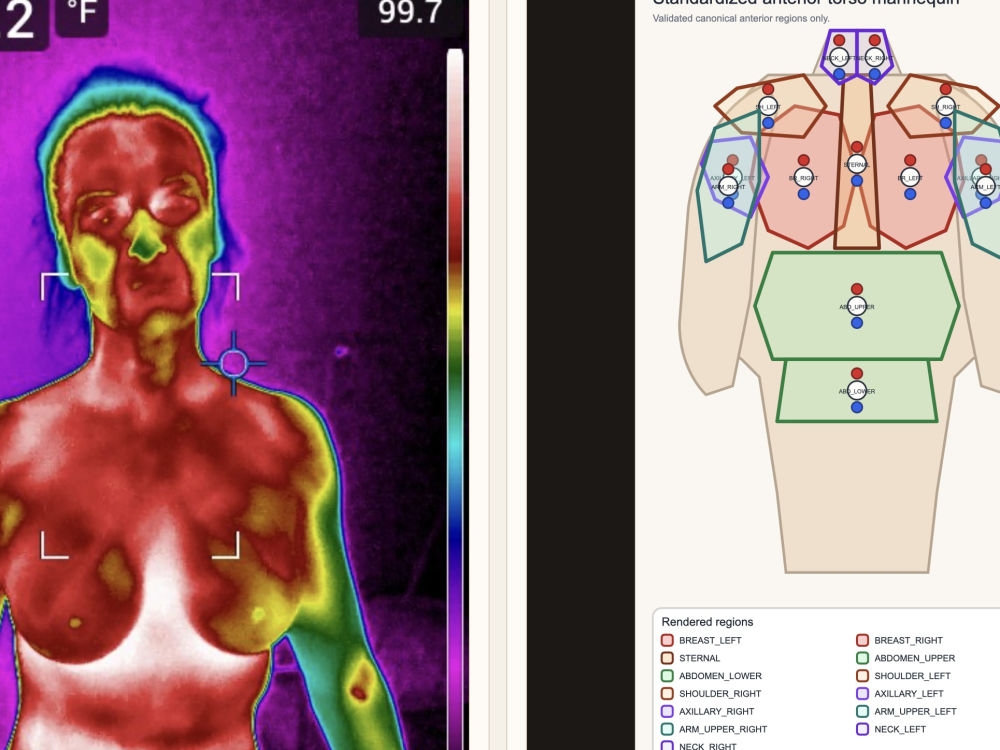
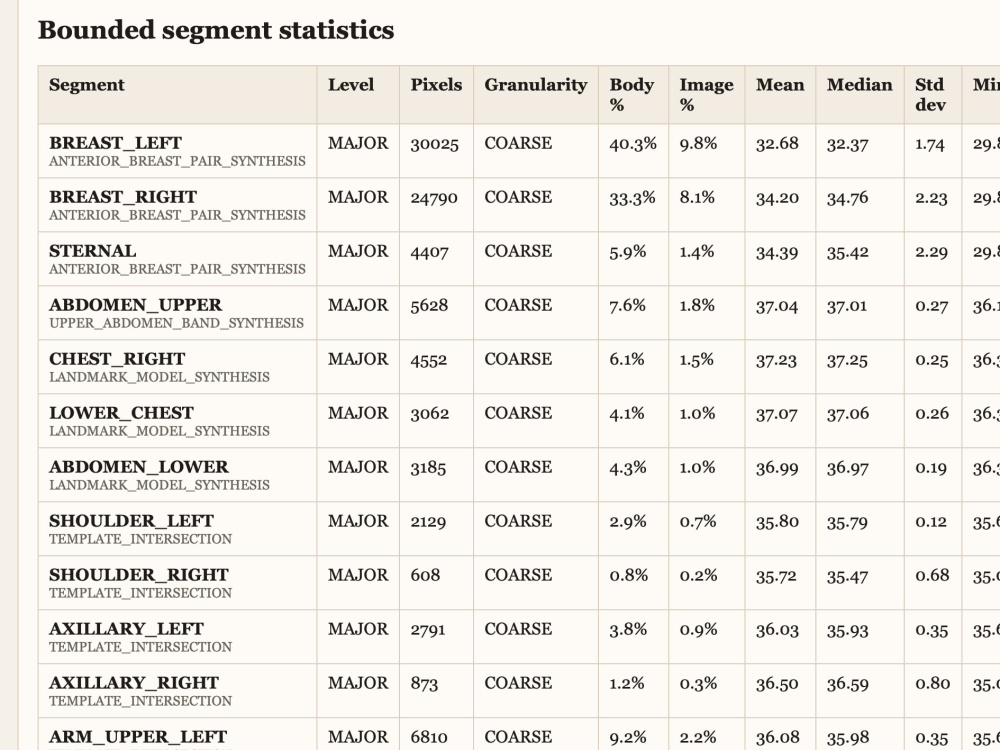
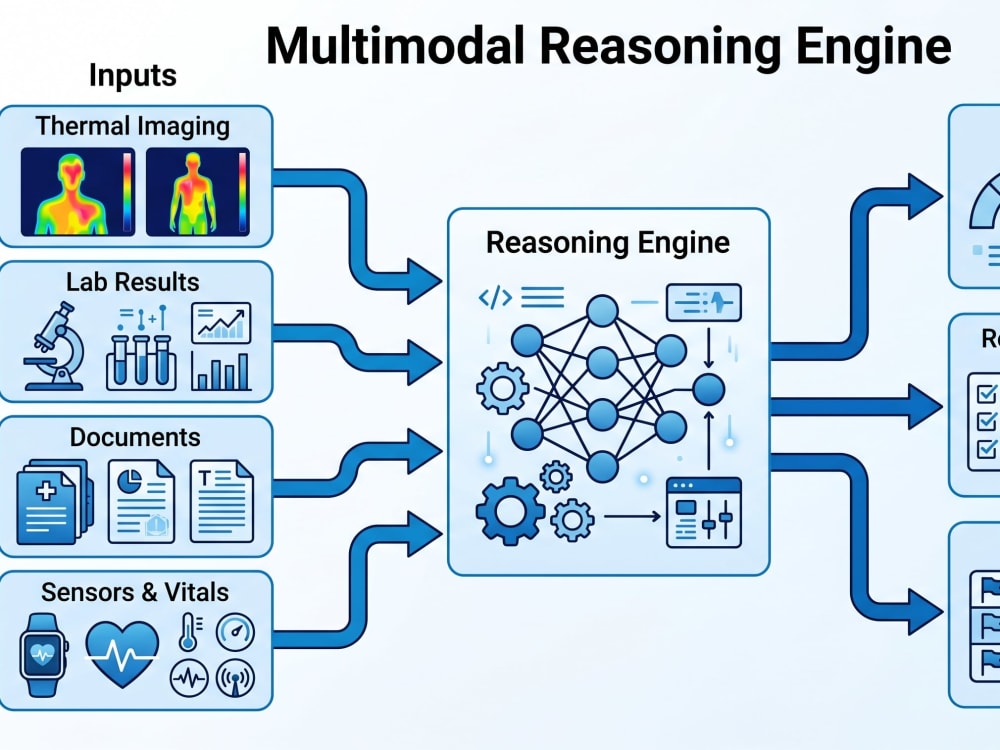
Unlike typical AI solutions that rely on black-box models, I design deterministic systems that normalize inputs (documents, imaging, sensor data, or structured records) into signals, apply decision logic, and generate interpretable results such as risk scoring, prioritization, and recommendations.
With experience building multimodal reasoning frameworks for real-world applications, I focus on clarity, transparency, and systems that are actually usable in production environments.
The result is a decision-support architecture your team can trust, extend, and implement — whether you're building a clinical system, AI product, or data-driven workflow.
Each project is tailored to your use case and includes structured logic, scoring models, and implementation-ready design for engineering teams.
Unlike typical AI solutions that rely on black-box models, I design deterministic systems that normalize inputs (documents, imaging, sensor data, or structured records) into signals, apply decision logic, and generate interpretable results such as risk scoring, prioritization, and recommendations.
With experience building multimodal reasoning frameworks for real-world applications, I focus on clarity, transparency, and systems that are actually usable in production environments.
The result is a decision-support architecture your team can trust, extend, and implement — whether you're building a clinical system, AI product, or data-driven workflow.
Each project is tailored to your use case and includes structured logic, scoring models, and implementation-ready design for engineering teams.
Machine Learning Tools
Amazon SageMaker, Azure Machine Learning, BERT, ChatGPT, Databricks Platform, Databricks MLflow, Keras, Microsoft CNTK, Microsoft Excel, MLflow, NLTK, NumPy, OpenCV, pandas, Python, Python Scikit-Learn, PyTorch, scikit-learn, SciPy, SQL, Stanford CoreNLP, Tableau, TensorFlow, Tesseract OCR, Vertex AIWhat's included
| Service Tiers |
Starter
$1,500
|
Standard
$4,500
|
Advanced
$9,500
|
|---|---|---|---|
| Delivery Time | 5 days | 10 days | 21 days |
Number of Revisions | 2 | 3 | 5 |
Number of Model Variations | 1 | 2 | 3 |
Number of Scenarios | 1 | 3 | 5 |
Number of Graphs/Charts | 2 | 1 | 4 |
Model Validation/Testing | - | ||
Model Documentation | |||
Data Source Connectivity | - | - | |
Source Code | - | - |
Optional add-ons
You can add these on the next page.
Additional Scenario
(+ 5 Days)
+$500
Extra Data Source Integration Design
(+ 5 Days)
+$1,000
Implementation Support Session
(+ 3 Days)
+$1,500
Prototype Logic (Python / Pseudocode)
(+ 5 Days)
+$2,500About Chip
AI Engineer | Reasoning Systems & Agent Workflows
Edmond, United States - 2:34 am local time
My work sits at the intersection of systems theory, engineering, and applied artificial intelligence, with a focus on creating systems that can reason, make decisions, and operate reliably in real-world environments. I specialize in turning complex, ambiguous problems into structured, executable workflows that integrate data, logic, and tools into coherent systems.
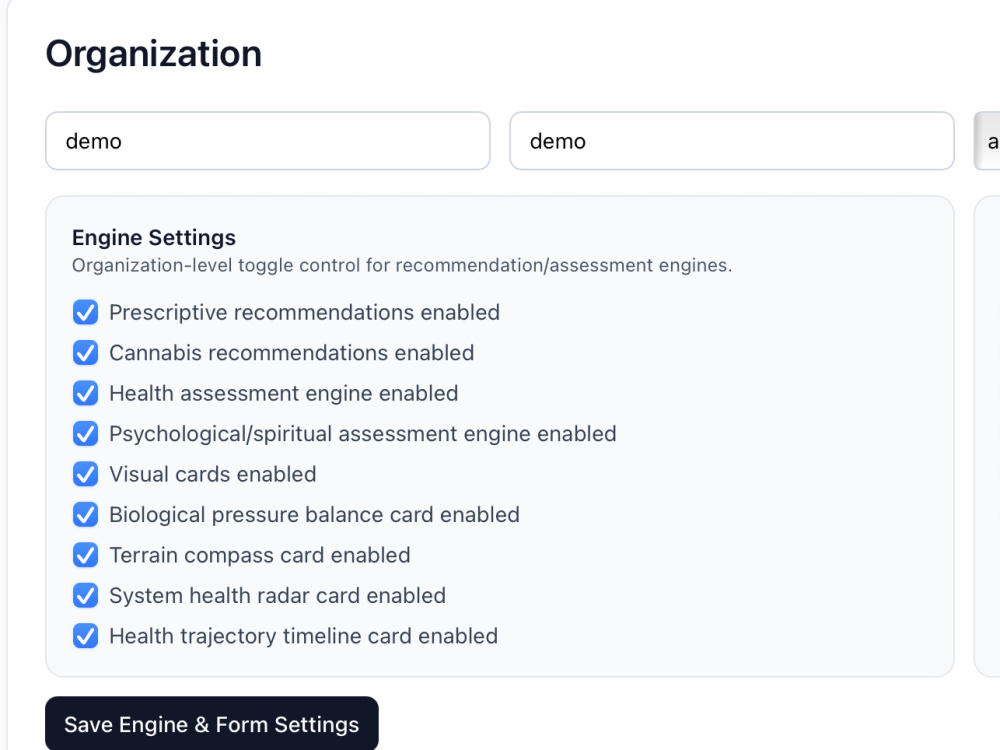
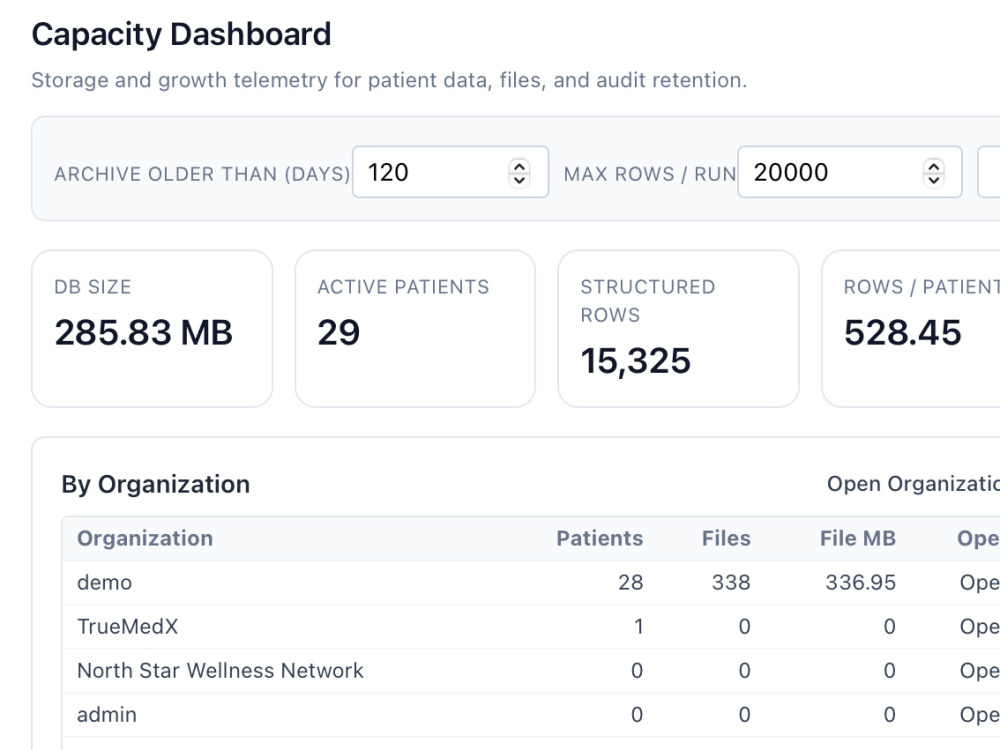
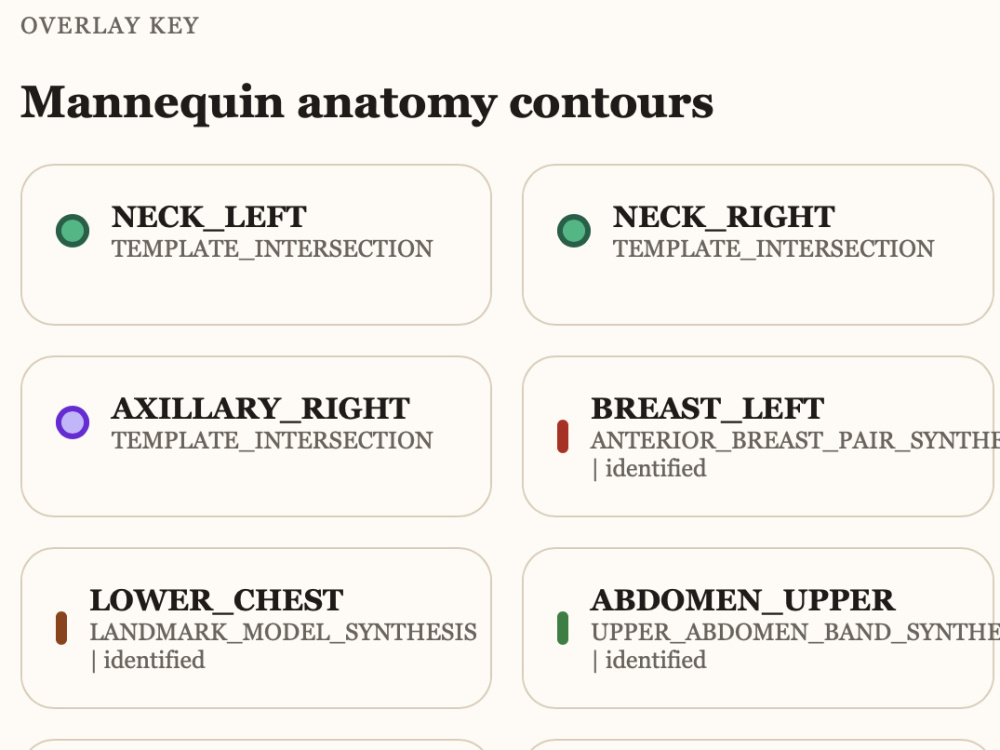
I am the creator of the Clinical Operating System (COS), a deterministic reasoning engine designed to convert multi-domain inputs into normalized signals and structured outputs. Originally developed for complex biological modeling, the architecture represents a generalizable framework for building systems that process high-dimensional inputs and produce explainable, consistent results. This work reflects my core approach: define inputs, structure transformations, and apply logic to generate reliable outcomes.
My background is in mathematics and engineering, including graduate-level work in electrical engineering focused on systems, signal processing, and analytical modeling. I have applied this foundation across biotechnology, healthcare, and technology platforms, building systems that connect theory, implementation, and measurable outcomes. I have also contributed to university-level curriculum development in advanced system modeling, reinforcing my ability to translate complex concepts into structured, usable frameworks.
In practical terms, I design and implement AI systems such as agentic workflows, multi-step reasoning pipelines, and retrieval-augmented architectures. I build systems where language models are components within a larger framework, not the entire solution. This includes integrating APIs, structuring decision logic, managing data flow, and enabling tool use to complete real tasks. My focus is on systems that operate reliably across steps, not just generate responses.
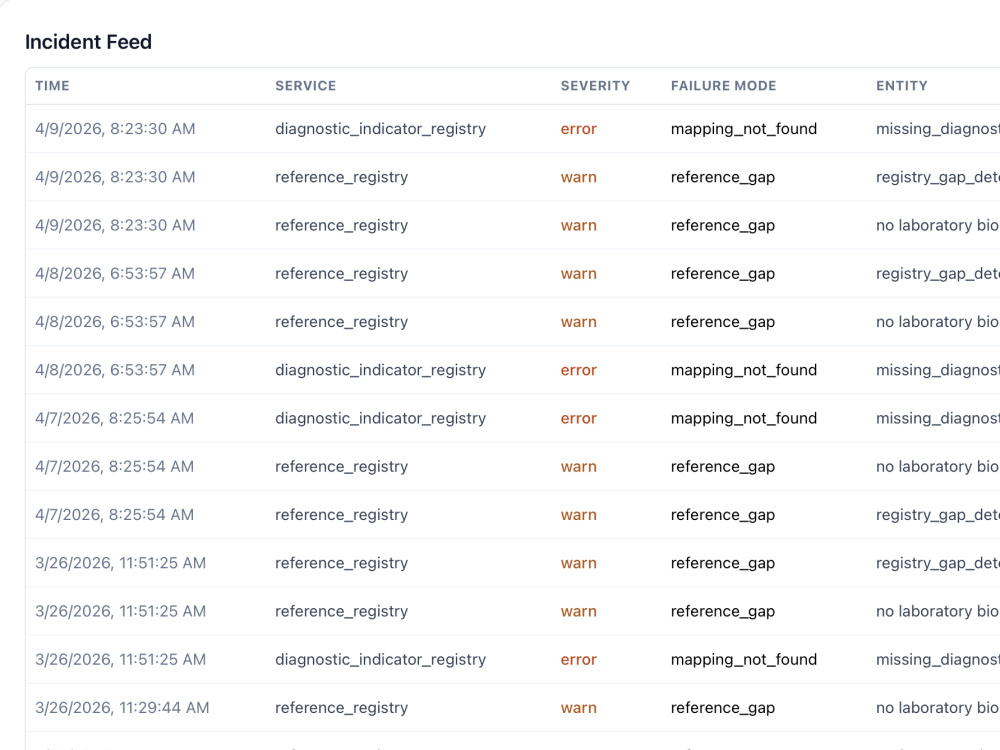
A key differentiator in my work is structure. Many AI implementations fail because they rely on surface-level interactions rather than well-defined systems. I approach problems by modeling relationships between inputs, defining explicit logic, and anticipating failure modes. This results in systems that are more stable, scalable, and effective in production environments.
I have built and led complex systems across multiple domains, including diagnostic platforms, data-driven decision systems, and integrated product ecosystems. This includes managing technical teams, overseeing large-scale projects, and working within environments that require both precision and adaptability. My experience allows me to move from high-level system design to practical implementation efficiently.
I work best on problems that involve complexity, ambiguity, and the need for structured reasoning. Typical engagements include building AI agents that complete real tasks, designing workflow automation systems, creating decision-support architectures, and auditing existing AI systems to improve reliability, consistency, and performance.
My approach is fast, structured, and outcome-focused. I prioritize building working systems quickly, then refining them through iteration and evaluation. The goal is always to move from concept to function — from idea to system.
If you are looking to move beyond simple AI integrations and build systems that actually function — systems that reason, adapt, and deliver consistent outcomes — I can help design and implement the architecture to get you there.
Steps for completing your project
After purchasing the project, send requirements so Chip can start the project.
Delivery time starts when Chip receives requirements from you.
Chip works on your project following the steps below.
Revisions may occur after the delivery date.
Discovery & Use Case Definition
We define your core use case, decision goals, and system scope.
Input & Signal Mapping
I map your inputs into structured signals and define normalization logic.