You will get a Machine Learning model from your data
Project details
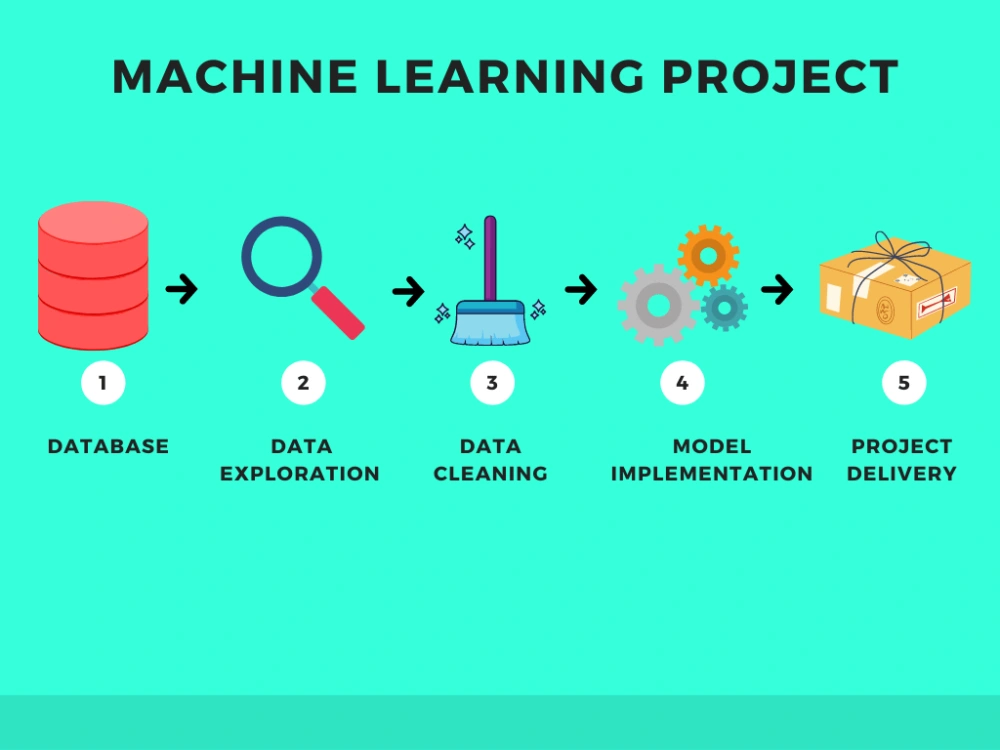
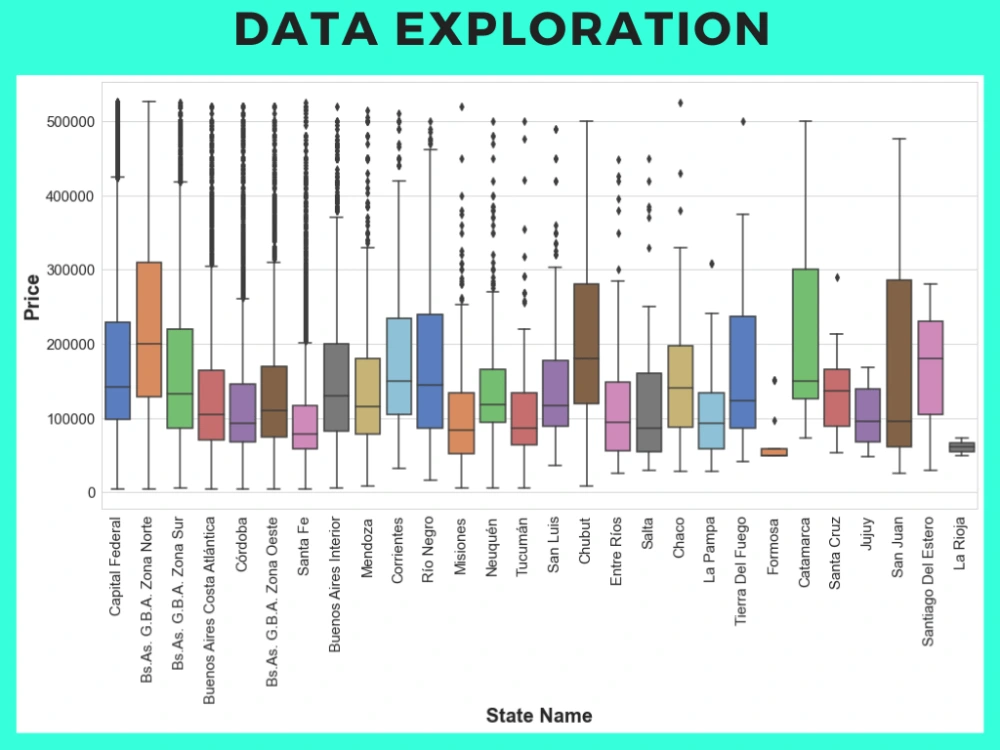
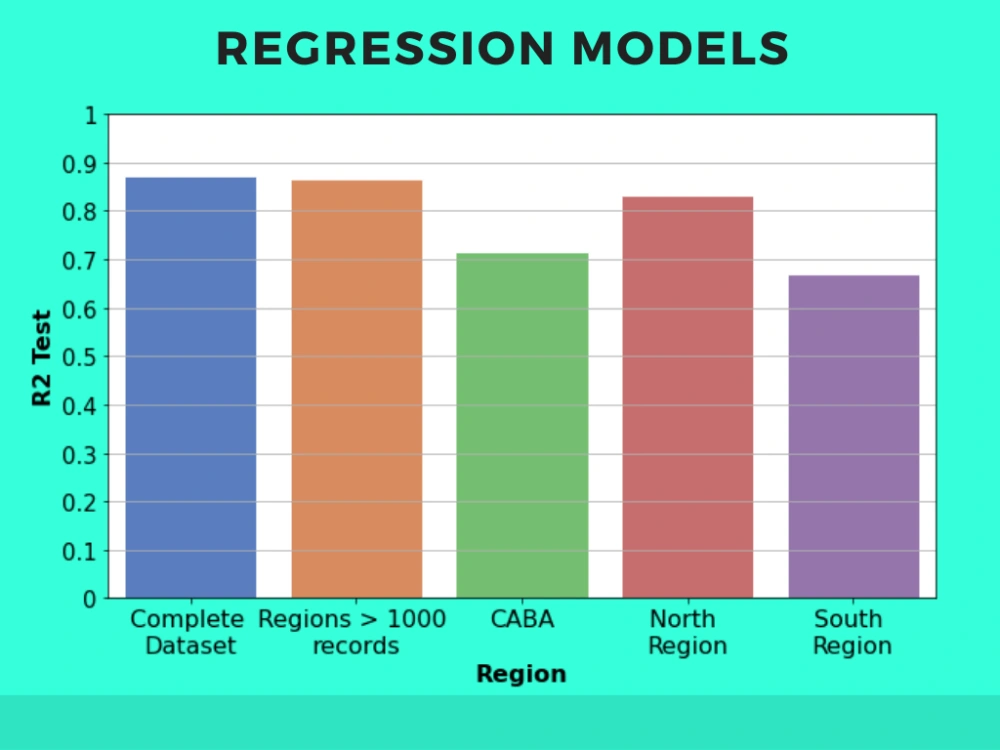
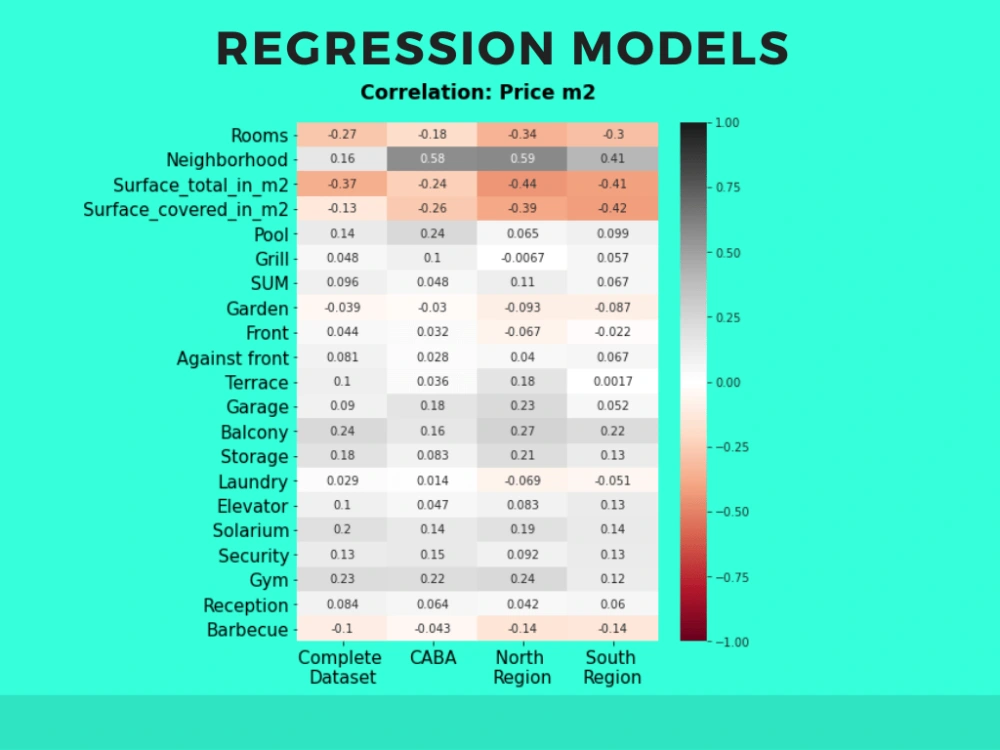
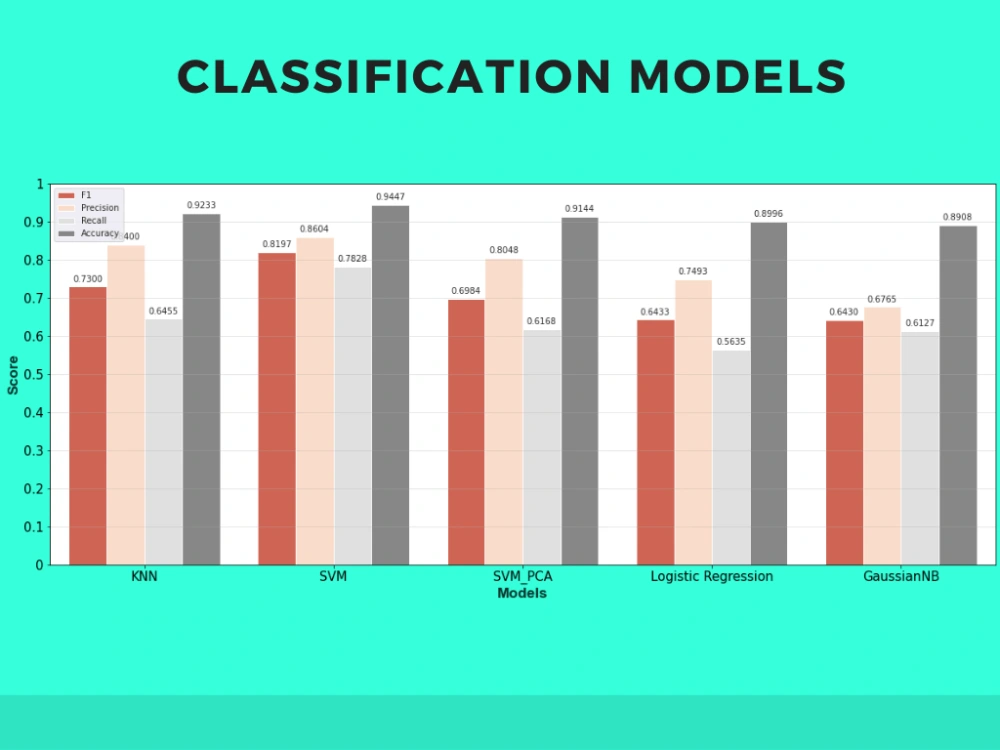
You will get a machine learning model for your data. The data provided will be use to train and test the model. The model to implement will depends on the kind of task you want to solve. Before implementing the models a deep analysis, cleaning and exploration of the data is made. Then using pipelines you will get the model of the best combination of variables and hyperparameters.
I use Jupyter Lab for the entire project. I will deliver the folder containing the .ipynb file and the requirements.txt with the libraries that are needed. If it is necessary I dockerize the project.
I use Jupyter Lab for the entire project. I will deliver the folder containing the .ipynb file and the requirements.txt with the libraries that are needed. If it is necessary I dockerize the project.
What's included $100
These options are included with the project scope.
$100
- Delivery Time 30 days
- Number of Revisions 2
- Number of Model Variations 10
- Number of Graphs/Charts 30
- Model Validation/Testing
- Model Documentation
- Source Code
Frequently asked questions
About Gonzalo
Data Scientist | Analyce your data and get a machine learning model
Boulogne, Argentina - 9:51 pm local time
I worked in some personal projects where I made machine learning and deep learning models to predict audio events.
Although my professional experience is little, I have the tools to perform any task related to data. I am a really committed person who seeks to progress and learn.
Steps for completing your project
After purchasing the project, send requirements so Gonzalo can start the project.
Delivery time starts when Gonzalo receives requirements from you.
Gonzalo works on your project following the steps below.
Revisions may occur after the delivery date.
Gather requirements
I will ask you for the database and also I will ask you to provide me information about what do you expect the model to predict.
Data exploration and data cleaning
I will explore the data using pandas and visualizations. This allows me to understand the nature of the data. Then I can make decisions for data cleaning like manage null values, creating new variables from others, impute missinng values, etc