You will get an edge-optimized Computer Vision model for wearable devices.

Project details
Edge First Computer Vision: Optimized Inference for Wearable Devices 🚀
Deploying vision models on wearables requires a strict balance between thermal management and power consumption. This service moves complex AI to the edge for devices with limited RAM.
Core Technical Features:
Hardware Specific Architecture: Model selection (MobileNet, Tiny YOLO, or Custom CNNs) is dictated by the target device’s TOPS and SRAM. 🧠
Precision Engineering: Implementation of Post Training Quantization and Weight Pruning to minimize model footprint while maintaining accuracy.
Environmental Adaptability: Training includes augmentation for motion blur and low lux levels common in wearable modules. 📸
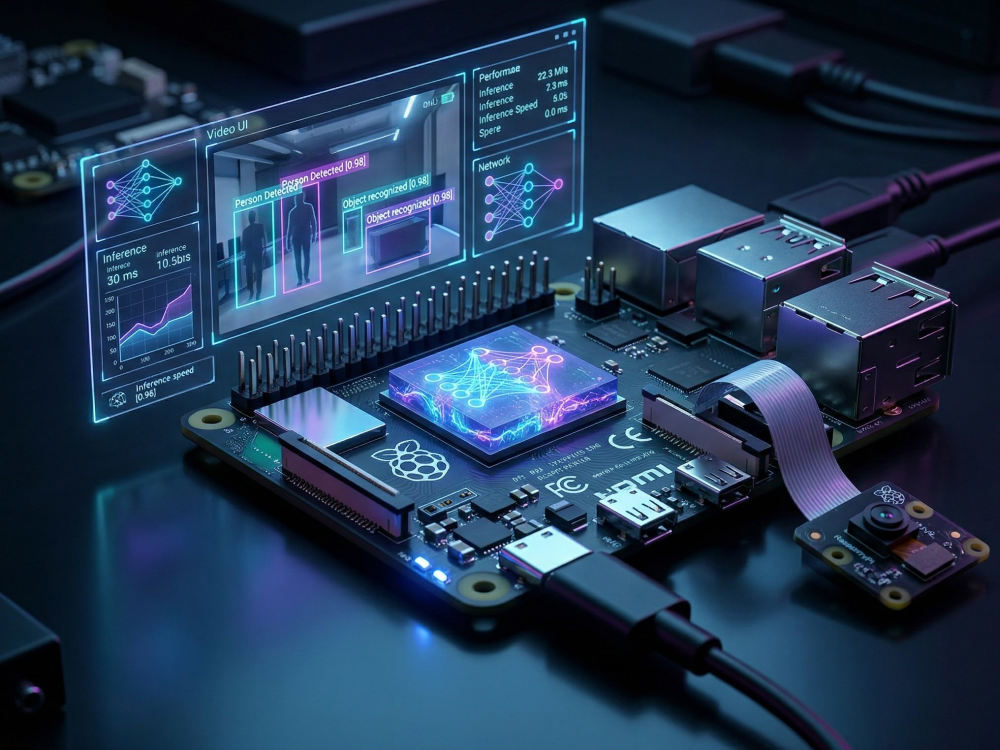
Inference Optimization: Optimized binaries for TensorRT, TFLite, or OpenVINO on ARM or RISC V architectures.
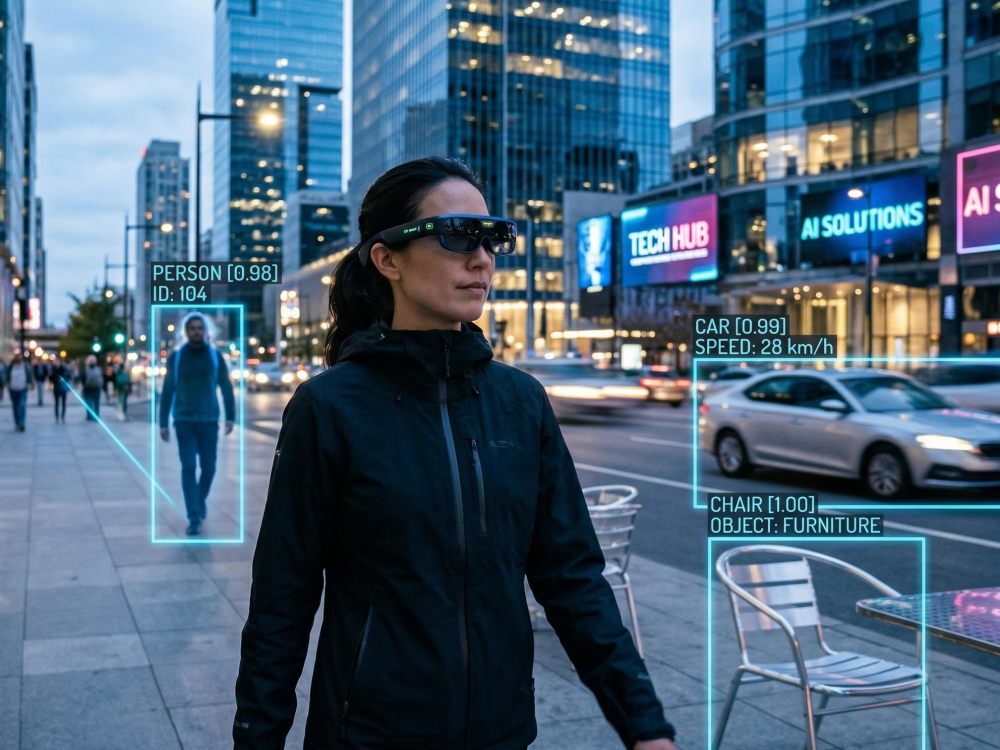
Augmented Reality: Real time spatial awareness for AR glasses. 👓
Industrial Safety: On device PPE detection and hazard alerts for smart helmets. ⛑️
This service eliminates cloud dependency, providing a secure and power efficient vision solution that stays entirely on the wearable device.
Deploying vision models on wearables requires a strict balance between thermal management and power consumption. This service moves complex AI to the edge for devices with limited RAM.
Core Technical Features:
Hardware Specific Architecture: Model selection (MobileNet, Tiny YOLO, or Custom CNNs) is dictated by the target device’s TOPS and SRAM. 🧠
Precision Engineering: Implementation of Post Training Quantization and Weight Pruning to minimize model footprint while maintaining accuracy.
Environmental Adaptability: Training includes augmentation for motion blur and low lux levels common in wearable modules. 📸
Inference Optimization: Optimized binaries for TensorRT, TFLite, or OpenVINO on ARM or RISC V architectures.
Augmented Reality: Real time spatial awareness for AR glasses. 👓
Industrial Safety: On device PPE detection and hazard alerts for smart helmets. ⛑️
This service eliminates cloud dependency, providing a secure and power efficient vision solution that stays entirely on the wearable device.
Machine Learning Tools
BigDL, Keras, Minitab, OpenCV, Python, PyTorch, scikit-learn, SciPy, TensorFlowWhat's included
| Service Tiers |
Starter
$195
|
Standard
$395
|
Advanced
$895
|
|---|---|---|---|
| Delivery Time | 4 days | 8 days | 16 days |
Number of Revisions | 1 | 2 | 3 |
Model Validation/Testing | |||
Model Documentation | - | ||
Data Source Connectivity | - | - | |
Source Code |
Optional add-ons
You can add these on the next page.
Fast Delivery
+$30 - $100
Additional Revision
+$20
Additional Graph/Chart
(+ 1 Day)
+$20
1 review
(1)
(0)
(0)
(0)
(0)
This project doesn't have any reviews.
JL
Jerry L.
Jul 24, 2026
Paid Tester Needed – Evaluate AI Data Labeling Software ($50–$100)
About Mohid
Computer Vision Engineer | Object Detection | YOLO | OpenCV | PyTorch
Islamabad, Pakistan - 3:39 am local time
I’m a Computer Vision & AI Engineer specializing in building practical AI solutions for images, video, and visual data. My expertise includes OpenCV, PyTorch, YOLO, CNNs, Vision Transformers, OCR, object detection, object tracking, classification, and AI video analytics.
I work across the complete computer vision workflow → data preparation, annotation, model development, evaluation, optimization, and inference with a focus on accurate, efficient, and real-world solutions.
━━━━━━━━━━━━━━━━━━━━
▸ 𝗪𝗛𝗔𝗧 𝗜 𝗕𝗨𝗜𝗟𝗗
━━━━━━━━━━━━━━━━━━━━
◆ Object Detection & Classification
→ YOLO-based detection
→ CNN-based classification
→ Multi-class object detection
→ Real-time image & video detection
◆ Object Tracking & Video Analytics
→ Multi-object tracking
→ Detection + tracking pipelines
→ Real-time video analytics
→ Activity and event analysis
◆ Computer Vision Research
→ CNN & Vision Transformer research
→ Model experimentation and benchmarking
→ Ensemble modeling
→ Dataset preparation and evaluation
◆ OCR & Visual Intelligence
→ Text detection and recognition
→ Image/document text extraction
→ OCR preprocessing
→ Visual data analysis
◆ Image & Video Annotation
→ Object detection annotation
→ Classification datasets
→ Image/video labeling
→ Dataset quality control
━━━━━━━━━━━━━━━━━━━━
▸ 𝗖𝗢𝗥𝗘 𝗧𝗘𝗖𝗛 𝗦𝗧𝗔𝗖𝗞
━━━━━━━━━━━━━━━━━━━━
✔ Python
✔ OpenCV
✔ PyTorch
✔ YOLO
✔ CNN / Convolutional Neural Networks
✔ Vision Transformers (ViT)
✔ Object Detection
✔ Object Tracking
✔ Object Classification
✔ OCR
✔ Ensemble Modeling
✔ Image & Video Annotation
✔ AI Video Analytics
→ Data → Annotation → Training → Evaluation → Inference → Optimization
━━━━━━━━━━━━━━━━━━━━
▸ 𝗜𝗡𝗗𝗨𝗦𝗧𝗥𝗜𝗘𝗦 𝗦𝗘𝗥𝗩𝗘𝗗
━━━━━━━━━━━━━━━━━━━━
◆ Security & Surveillance → video monitoring, detection & tracking
◆ Retail & E-commerce → product detection & visual analytics
◆ Manufacturing → visual inspection & automated detection
◆ Healthcare & Medical Imaging → image analysis & computer vision research
◆ Transportation → vehicle detection & tracking
◆ Research & Academia → computer vision research, datasets & model evaluation
━━━━━━━━━━━━━━━━━━━━
▸ 𝗪𝗛𝗬 𝗖𝗟𝗜𝗘𝗡𝗧𝗦 𝗖𝗛𝗢𝗢𝗦𝗘 𝗠𝗘
━━━━━━━━━━━━━━━━━━━━
✔ End-to-End Expertise → From raw visual data to a working computer vision pipeline.
✔ Modern AI Stack → YOLO, CNNs, Vision Transformers, PyTorch, OpenCV and OCR.
✔ Research + Development → Comfortable with both research-driven projects and practical AIapplications.
✔ Performance Focus → Attention to accuracy, inference speed, reliability, and scalability.
✔ Clear Communication → Technical work explained clearly, with focused deliverables and progress updates.
━━━━━━━━━━━━━━━━━━━━
▸ 𝗥𝗘𝗖𝗘𝗡𝗧 𝗪𝗜𝗡𝗦
━━━━━━━━━━━━━━━━━━━━
◆ Built YOLO-based object detection solutions for image and video analysis.
◆ Developed real-time detection and tracking workflows for video analytics.
◆ Worked with CNN and Vision Transformer architectures for visual classification and research.
◆ Developed OCR pipelines for extracting information from visual data.
◆ Applied ensemble modeling to improve computer vision model performance.
◆ Worked across the complete workflow → annotation, preprocessing, training, evaluation, inference, and optimization.
Looking for a Computer Vision Engineer to build or improve your AI vision system?
→ Send me your dataset, research problem, object detection requirement, OCR task, or video analytics project
I’ll help turn your computer vision requirement into a practical and reliable AI solution.
➤ 𝗞𝗘𝗬𝗪𝗢𝗥𝗗𝗦
Computer Vision, Computer Vision Engineer, AI Engineer, OpenCV, PyTorch, YOLO, CNN, Vision Transformer, Object Detection, Object Tracking, Object Classification, OCR, AI Video Analytics, Computer Vision Research, Deep Learning, Ensemble Modeling, Image Annotation, Video Annotation, Image Processing, Video Processing
Steps for completing your project
After purchasing the project, send requirements so Mohid can start the project.
Delivery time starts when Mohid receives requirements from you.
Mohid works on your project following the steps below.
Revisions may occur after the delivery date.
Requirements Validation & Hardware Audit
The project kicks off with a review of the data and hardware specs provided in the requirements. Goal: Confirm the target device (e.g., ESP32, Jetson, or mobile) and its constraints (RAM, Flash, Power).
Dataset Preparation & Pre-processing
If the client provides data, I will clean, augment, and format it for the specific edge task. Task: Resizing images to match the model’s input layer and normalizing data to reduce computational load on the wearable.