You will get MVP built by an Augmented Developer using AI-powered methodology
Project details
Most MVP developers write code. I run a production shop.
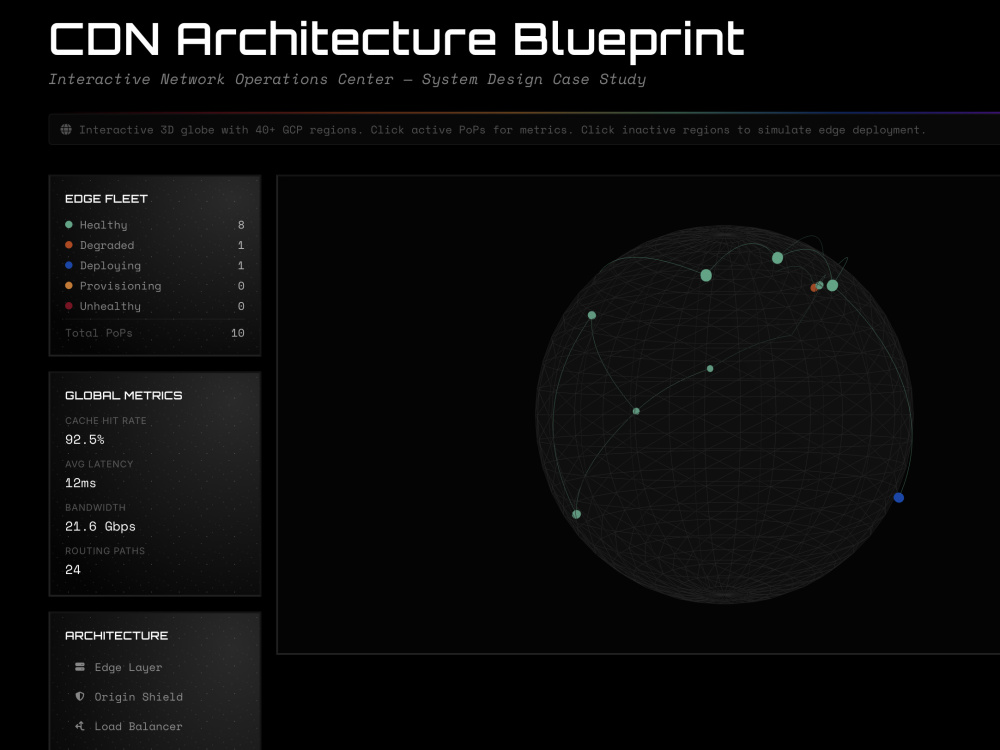
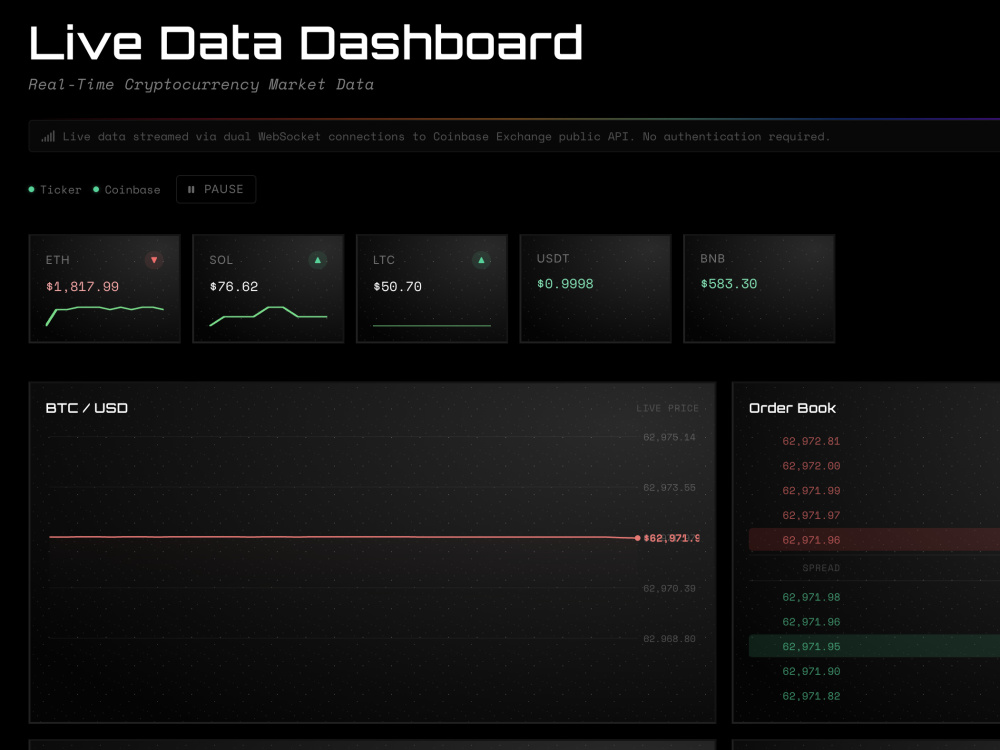
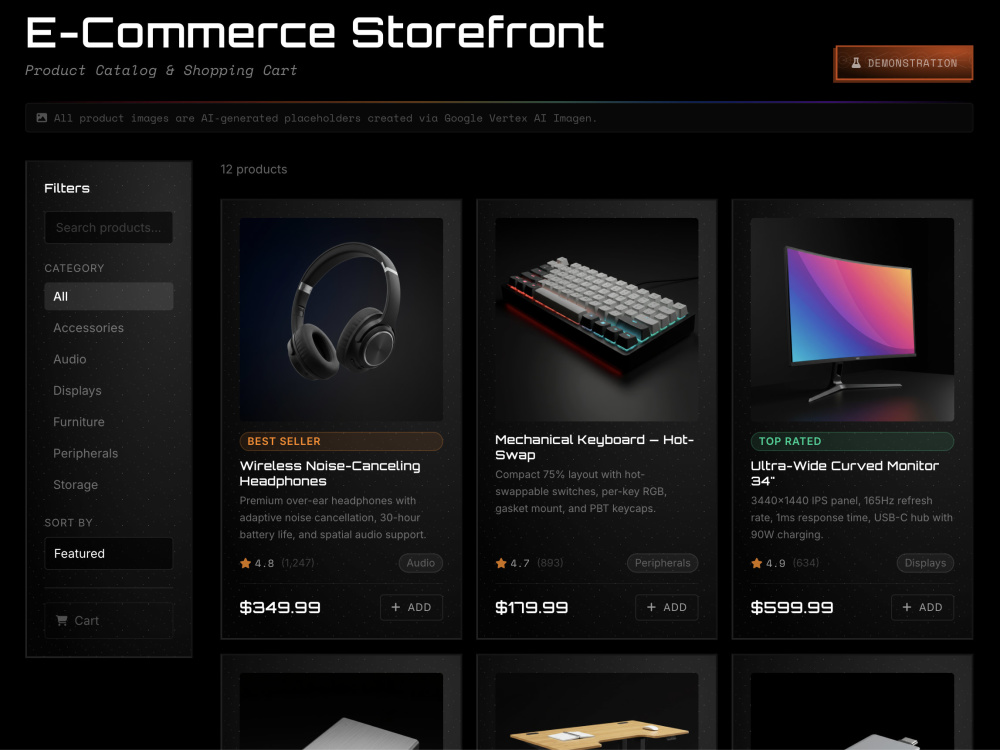
As an Augmented Developer, I direct AI agents through the Development Cascade — a structured methodology that catches bugs during development, not after launch. Every feature goes through Reference Design, Structured Generation, and Triage before it reaches your repository.
If you have tried building with Lovable, Bolt, or another AI app builder and hit a wall — that is exactly the problem the Cascade solves. AI generates code well enough for demos. Making it work in production requires methodology.
I build with TypeScript, React/Next.js/Vue/Angular, Node.js, and PostgreSQL across AWS, GCP, and Azure. My background in Computer Systems and Networking means I debug at the infrastructure level, not just the application layer.
You get one point of contact with team-level throughput. The Blueprint tier validates my approach before you commit to the full build — architecture, wireframes, and a sprint plan with testable acceptance criteria for every feature.
I name my tools openly: Claude Code by Anthropic. The tool is available to anyone. The Development Cascade is what makes the difference.
As an Augmented Developer, I direct AI agents through the Development Cascade — a structured methodology that catches bugs during development, not after launch. Every feature goes through Reference Design, Structured Generation, and Triage before it reaches your repository.
If you have tried building with Lovable, Bolt, or another AI app builder and hit a wall — that is exactly the problem the Cascade solves. AI generates code well enough for demos. Making it work in production requires methodology.
I build with TypeScript, React/Next.js/Vue/Angular, Node.js, and PostgreSQL across AWS, GCP, and Azure. My background in Computer Systems and Networking means I debug at the infrastructure level, not just the application layer.
You get one point of contact with team-level throughput. The Blueprint tier validates my approach before you commit to the full build — architecture, wireframes, and a sprint plan with testable acceptance criteria for every feature.
I name my tools openly: Claude Code by Anthropic. The tool is available to anyone. The Development Cascade is what makes the difference.
Programming Languages
JavaScript, Python, TypeScriptCoding Expertise
Cross Browser & Device Compatibility, Performance Optimization, SecurityWhat's included
| Service Tiers |
Starter
$1,500
|
Standard
$4,500
|
Advanced
$8,500
|
|---|---|---|---|
| Delivery Time | 7 days | 21 days | 35 days |
Number of Revisions | 2 | 3 | 5 |
Number of Pages | 1 | 8 | 15 |
Design Customization | |||
Content Upload | - | ||
Responsive Design | |||
Source Code | - |
Optional add-ons
You can add these on the next page.
Fast Delivery
+$500 - $1,500
Additional Revision
+$250
Additional Page
(+ 2 Days)
+$250
App Builder Migration
(+ 5 Days)
+$800
AI Feature Integration
(+ 7 Days)
+$1,000
Post-Launch Support
+$1,200Frequently asked questions
About Micah
Full Stack Engineer and Principle Architect
San Diego, United States - 12:23 pm local time
I'm also the founder of Stratimux, a copyleft production-grade AI operating system published under GPLv3. The Development Cascade is proven daily against that system — problems I chose specifically because they're hard. My freelance engagements are an additional channel where I prove the methodology works across diverse codebases and industries, not to replicate anyone's products. The copyleft architecture guarantees clean copyright separation — your code stays yours, my open-source work stays open, and the methodology bridges both without contamination in either direction.
My expertise spans the entire computer stack — networking and infrastructure through backend systems to frontend delivery. TypeScript, Rust, Node.js, and cross-platform development are my daily tools. That systems-level depth means I triage at the infrastructure layer, not just the application layer — which is why my shop handles legacy modernization and complex existing codebases where most AI-augmented workflows break down.
My production team runs on Claude Code under The Development Cascade. The tool is powerful — what sets my shop apart is the methodology behind how it's deployed. Every generation is structured against a reference design, triaged for correctness, and validated before it touches your codebase. I take extra steps to protect your code — including opting out of model training under Anthropic's data policies, so nothing from your project feeds back into AI systems.
As your AD, you get one point of contact with team-level throughput, structured process, and a founder-proven methodology. I'm available to walk through my approach on a quick call — aligned to your timeline and expectations.
Steps for completing your project
After purchasing the project, send requirements so Micah can start the project.
Delivery time starts when Micah receives requirements from you.
Micah works on your project following the steps below.
Revisions may occur after the delivery date.
Discovery Call & Reference Design
We discuss your product, users, and goals. I ask the questions that prevent scope creep later. This produces the Reference Design — the source of truth your entire build is measured against. Nothing is built until we align here.
Architecture & Sprint Plan
I deliver a technical architecture document, wireframes, and a sprint plan with testable acceptance criteria for every feature. You approve before any code is written. This is the Starter tier deliverable — Blueprint complete.