You will get Computer Vision, Deep Learning using CNN, TensorFlow & PyTorch in Python
Project details
If you’re exploring a computer vision or deep learning idea and want it done thoughtfully, you’re in the right place.
You don’t need to arrive with a perfect specification that’s what I’m paid for. We can start from raw data or even just an idea and turn it into a working solution.
Here’s how the workflow works:
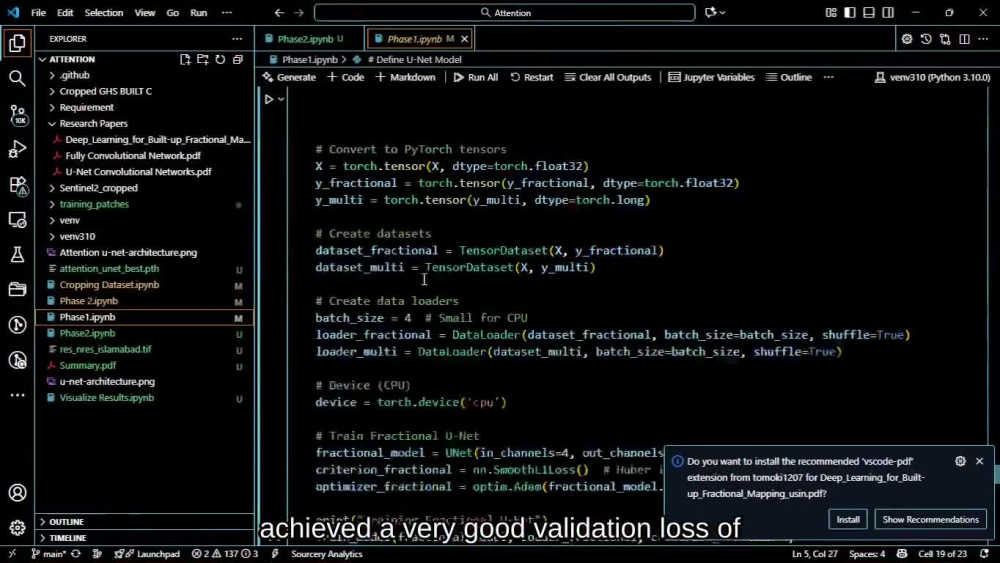
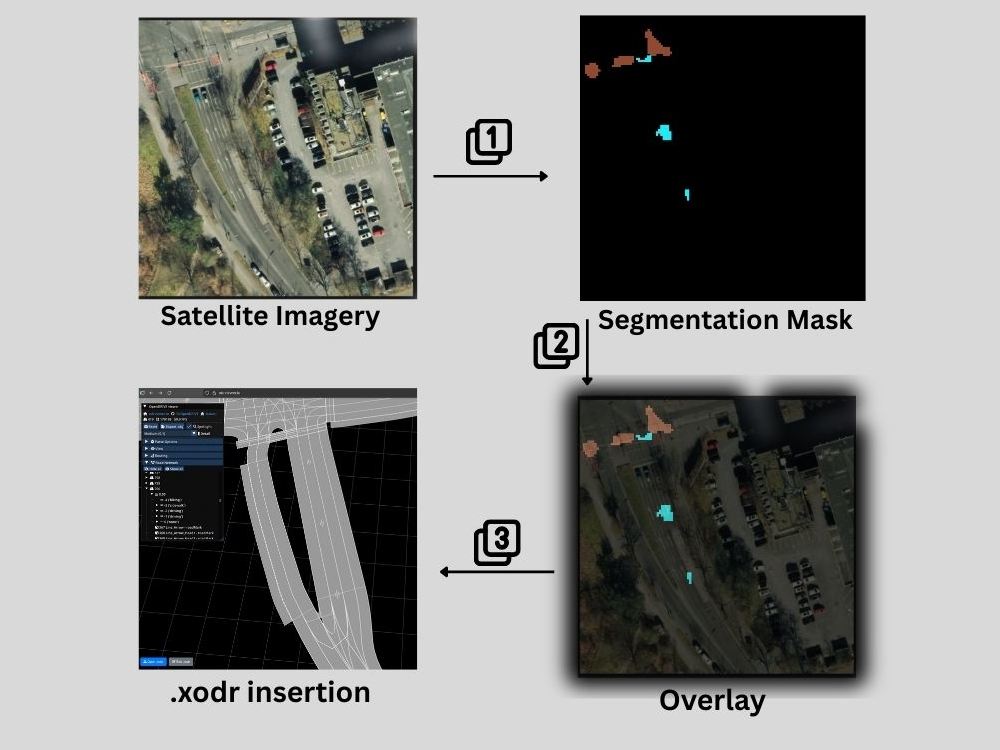
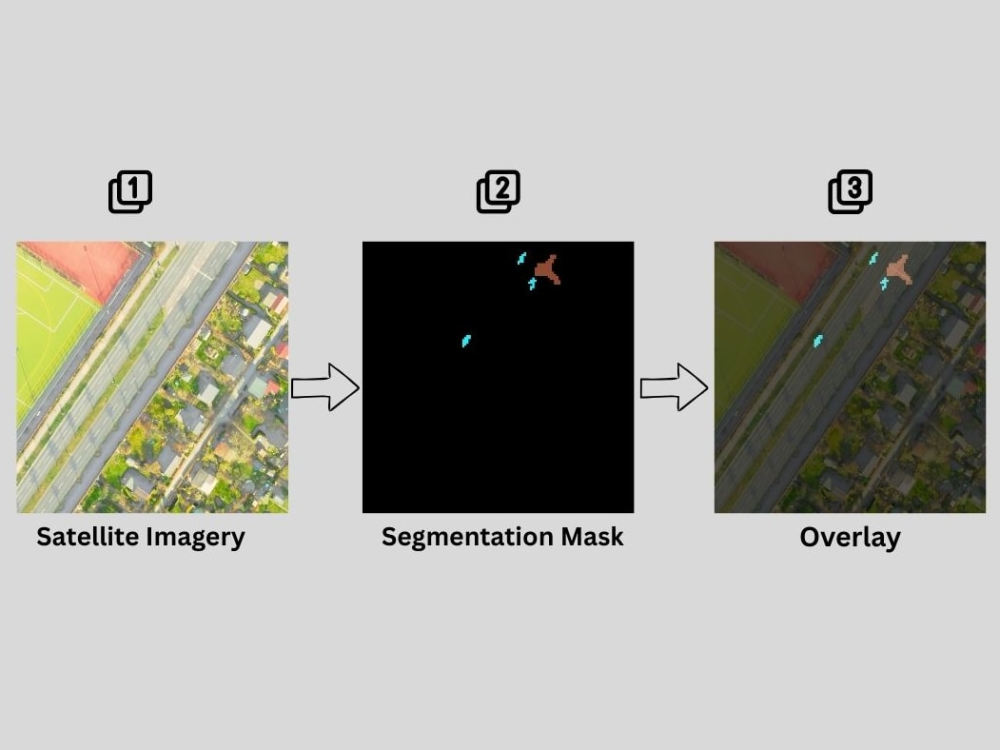
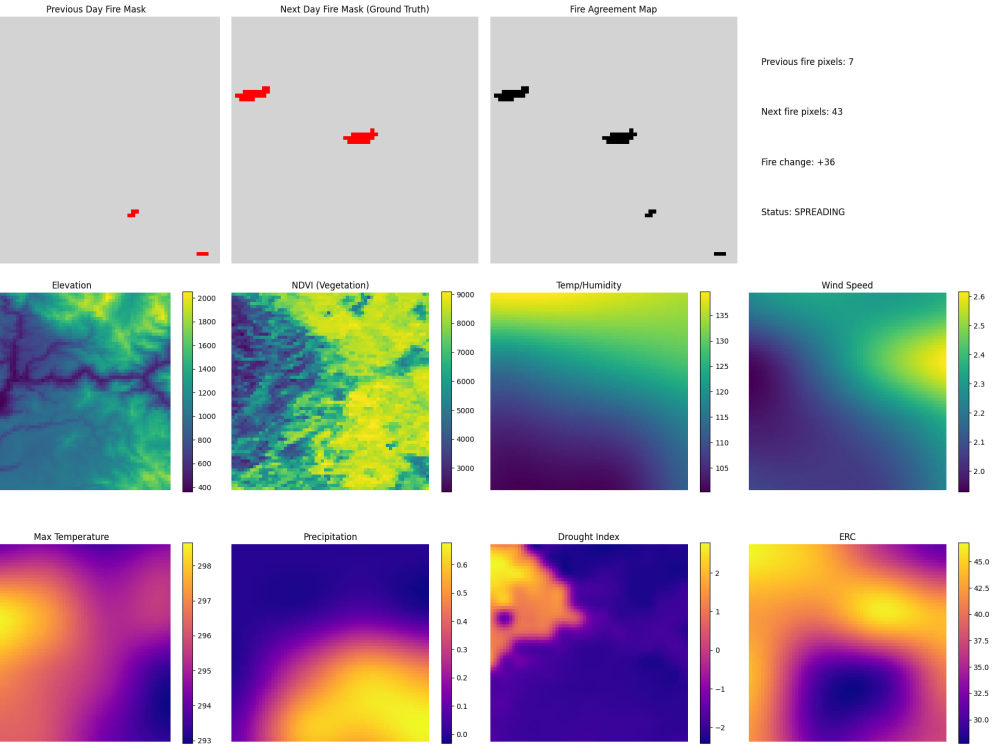
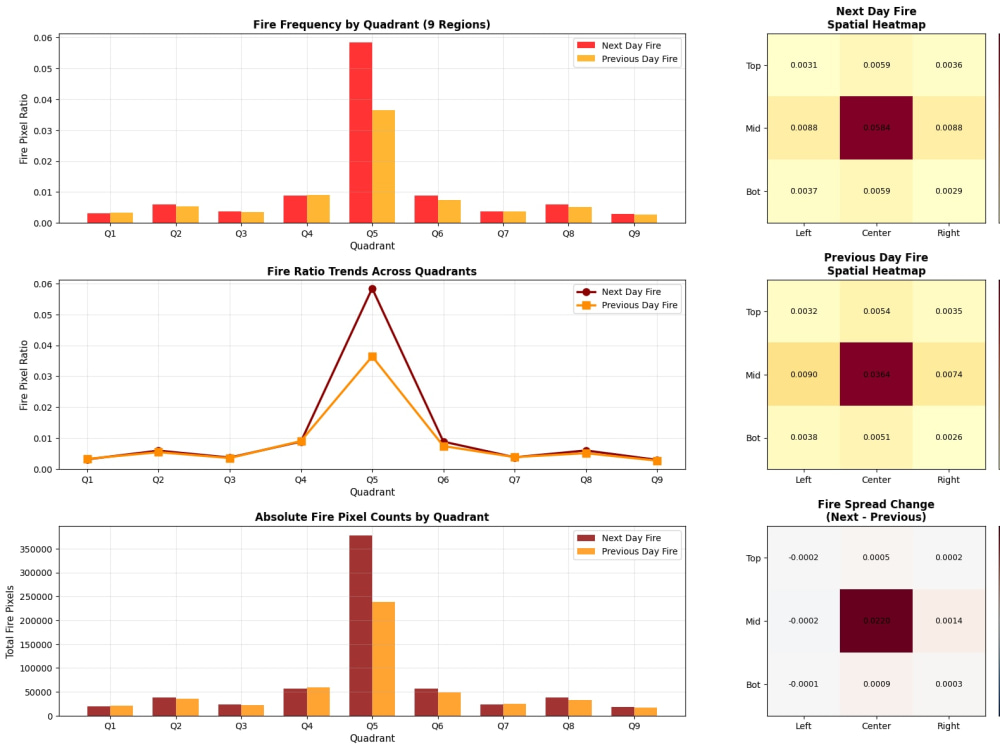
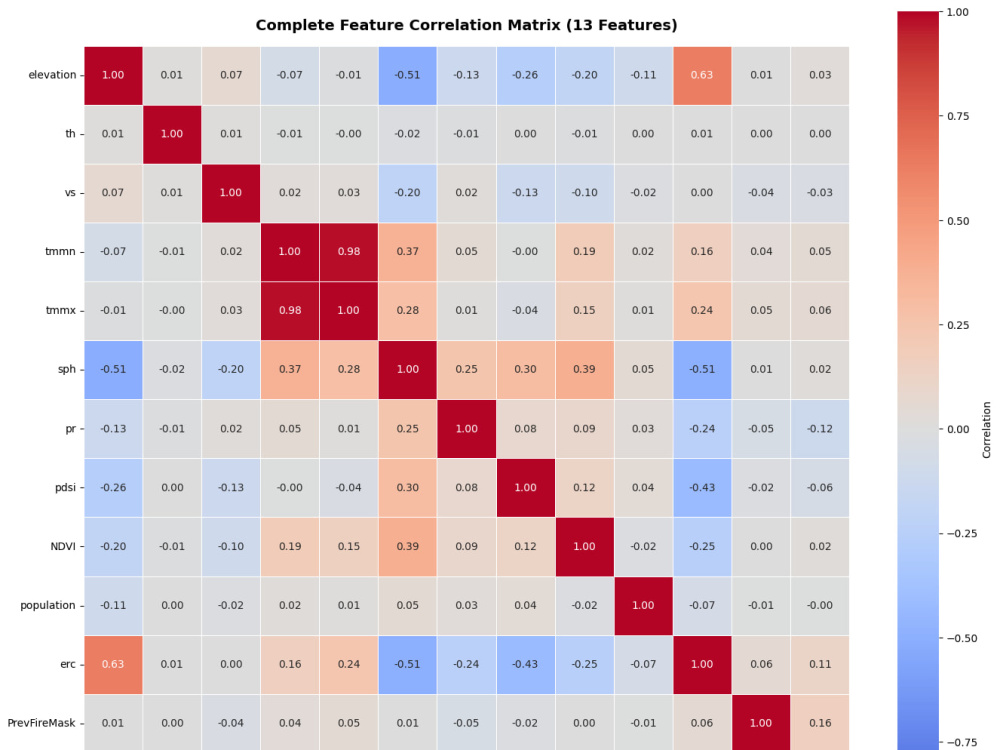
Data analysis: Relevant features are extracted and represented thoughtfully; data analysis guides every decision of the project
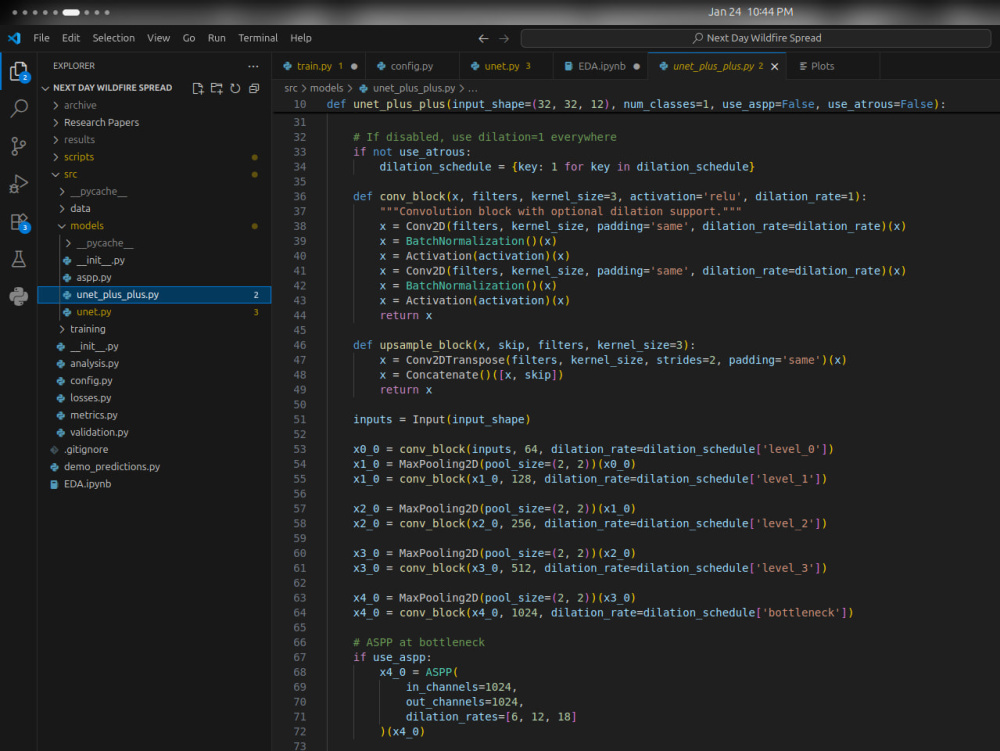
Model selection & training: Models are chosen based on relevant features, not guessed
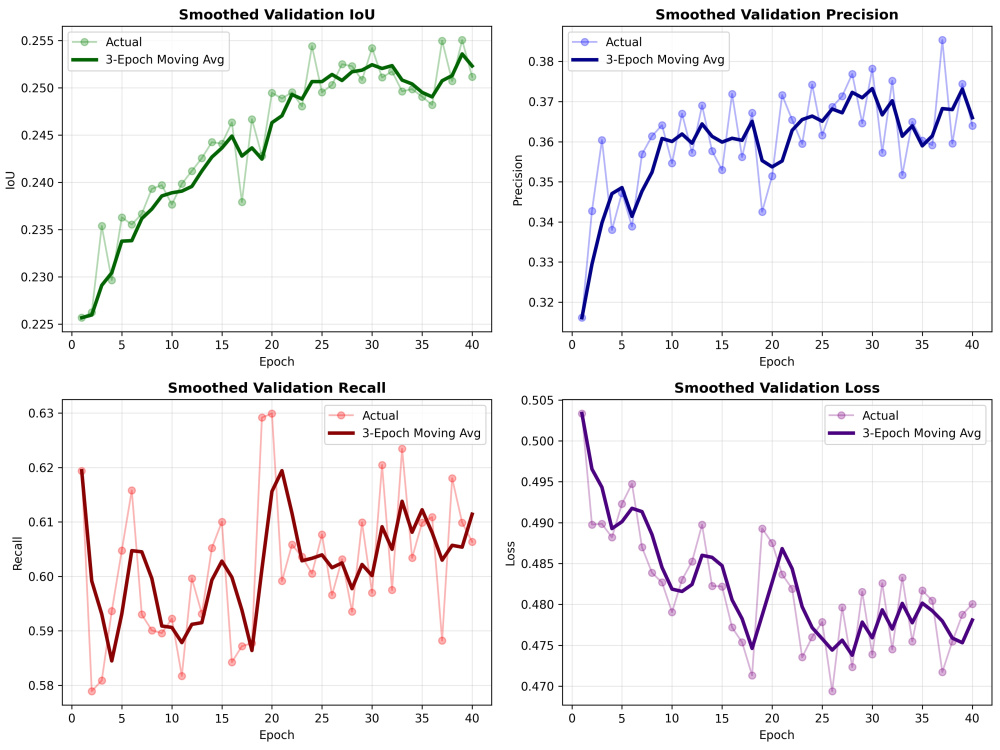
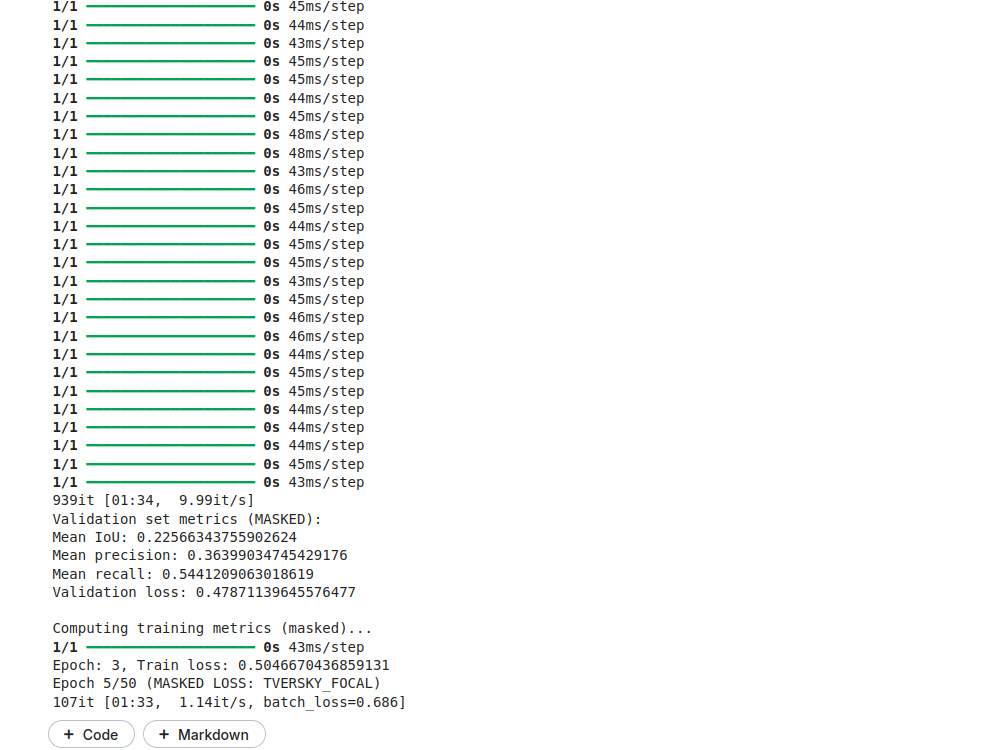
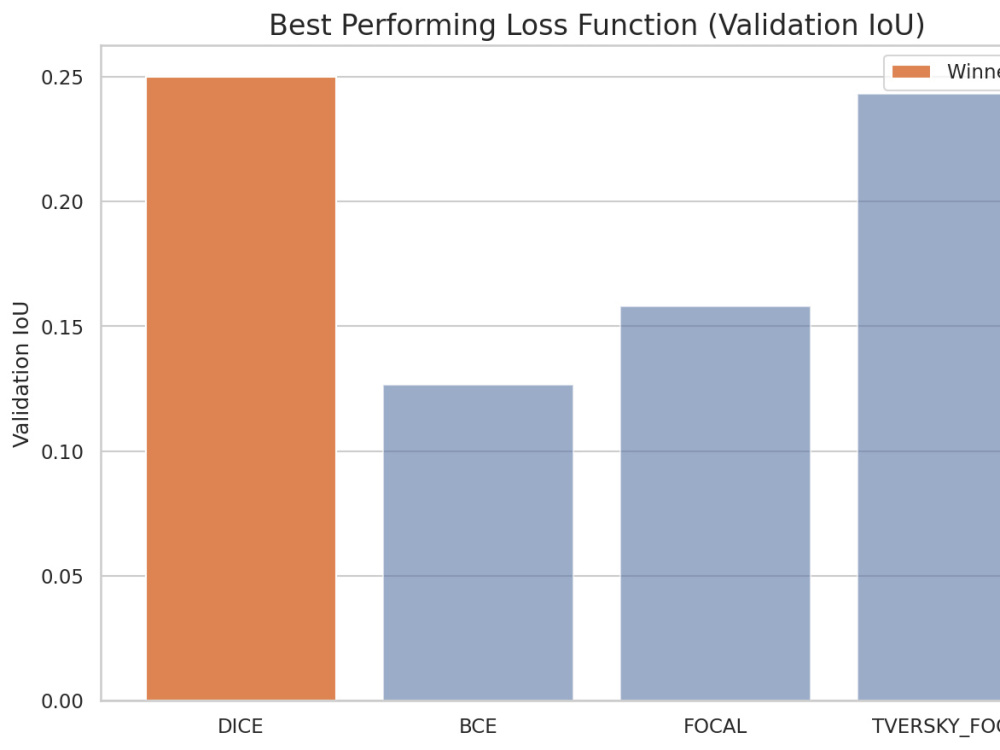
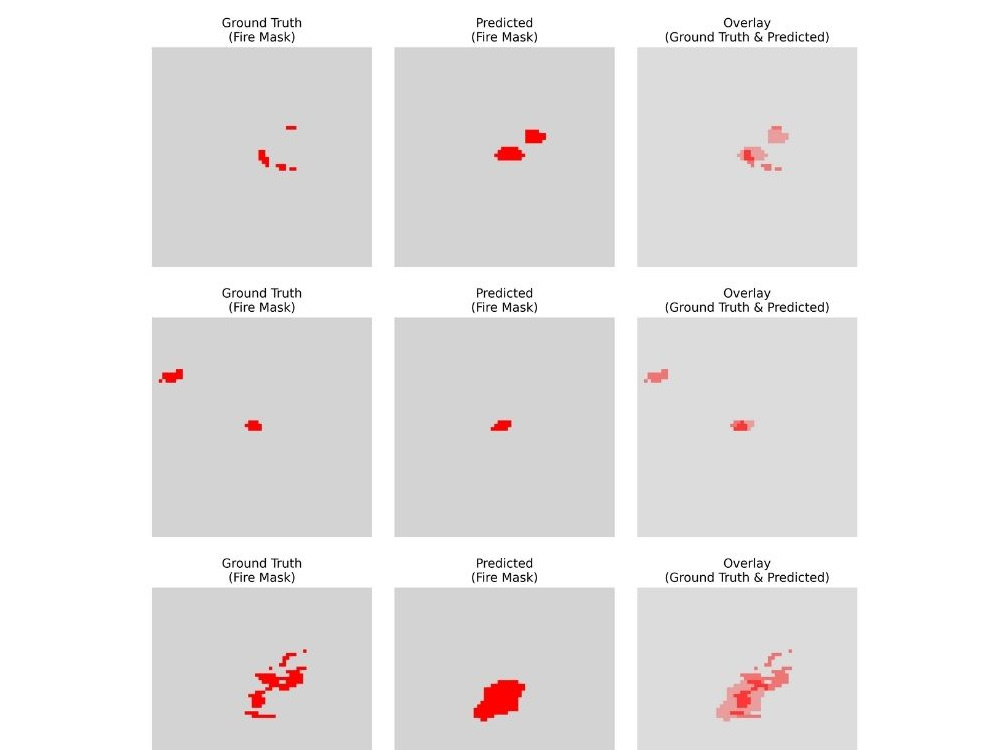
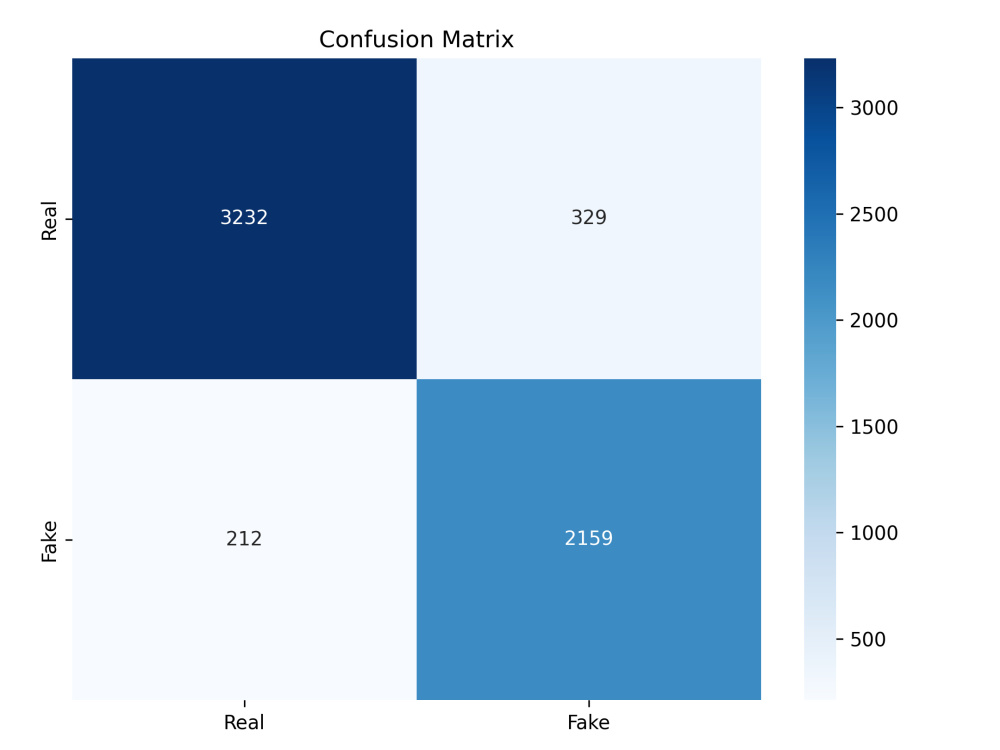
Validation & results: Performance metrics related to your goals are measured and explained clearly through relevant charts
Have an idea? Message me and let’s bring your computer vision project to life
You don’t need to arrive with a perfect specification that’s what I’m paid for. We can start from raw data or even just an idea and turn it into a working solution.
Here’s how the workflow works:
Data analysis: Relevant features are extracted and represented thoughtfully; data analysis guides every decision of the project
Model selection & training: Models are chosen based on relevant features, not guessed
Validation & results: Performance metrics related to your goals are measured and explained clearly through relevant charts
Have an idea? Message me and let’s bring your computer vision project to life
Machine Learning Tools
ArcGIS, Azure Machine Learning, ChatGPT, deeplearn.js, Deeplearning4j, Google AutoML, GPT-3, Keras, MATLAB, NumPy, OpenCV, pandas, Python, PyTorch, scikit-learn, SciPy, TensorFlow, Tesseract OCR, Vertex AI, XGBoostWhat's included
| Service Tiers |
Starter
$80
|
Standard
$200
|
Advanced
$250
|
|---|---|---|---|
| Delivery Time | 2 days | 6 days | 7 days |
Number of Revisions | 3 | 4 | Unlimited |
Number of Model Variations | 1 | 2 | |
Model Validation/Testing | - | - | |
Model Documentation | - | ||
Data Source Connectivity | |||
Source Code |
About Muhammad
Computer Vision | LLM Fine-Tuning | Geospatial AI | Autonomous Driving
Islamabad, Pakistan - 11:44 pm local time
When I start a project, the first thing I do is understand your business. Not the technical requirements. The business.
What's generating revenue, what's blocking it, and what, if built or fixed, would move the needle most. Only after that do we decide what to build and in what order. I rank everything by business impact. The problems that cost you the most by not being solved go first, everything else follows.
That's not how engineers typically approach a project. They wait for a task list and execute it well. What I bring is different. I'm a technical partner who understands your business well enough to help you decide what's worth building, and goes deep enough technically to build it right. That combination changes the kind of outcome you get.
The best way to show what that looks like is through the work itself.
Wildfire Spread Prediction
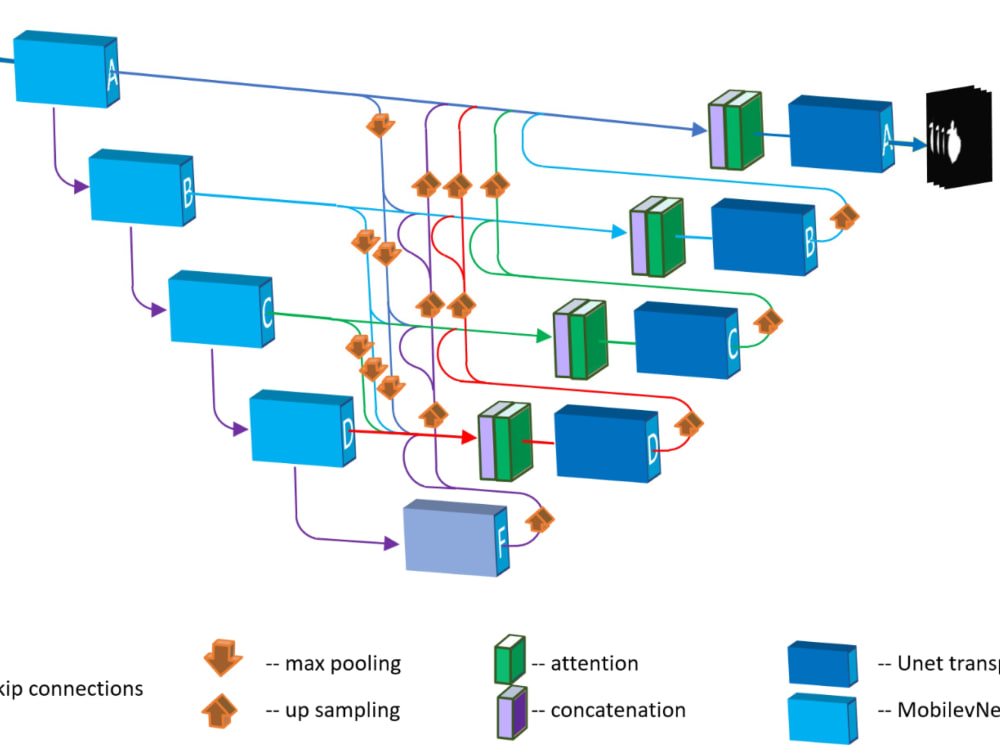
A client needed an AI model to predict how wildfires would spread the following day. The existing research benchmark was accurate but expensive, the kind of system that needs serious, costly hardware to run in production.
I questioned the assumption that accuracy required that scale. By redesigning the architecture and optimization strategy from the ground up, I built a model 77% smaller than the benchmark that simultaneously improved accuracy across every metric by over 13%. Smaller, cheaper to run, faster to deploy, and more accurate than what it replaced. The result was a production-ready system that didn't come with an infrastructure bill that made it impractical to actually use.
AI Evaluation Platform: Fairness Redesign
A client was building a competition platform where participants submitted answers to be judged and ranked on a leaderboard. The system worked. But after building it, I noticed a problem the client hadn't seen yet.
Different judges have different standards. One strict judge evaluating one participant and a lenient judge evaluating another meant two equally talented people could get completely different scores, not because of their performance, but because of who happened to review them. The leaderboard would be unfair by design, and nobody would know why.
I brought the problem to the client along with a solution. Instead of assigning each participant to a single judge, distribute individual questions across multiple judges and normalize the scores. Every participant now gets evaluated against the same standard regardless of who reviews them. The client didn't ask for this. But a technical partner catches what a task executor doesn't, and catching it before launch protected something the client had spent months building.
That's what I mean by partnership.
Here's where I apply it:
Computer Vision: if it needs to see, detect, segment, or interpret visual data in real time, I build it.
LLM Fine-Tuning: if a generic model doesn't understand your domain, I train one that does.
Geospatial AI: if your business runs on location data, satellite imagery, or physical infrastructure, I turn it into actionable intelligence.
Who this is for
If someone has already told you your AI problem is too complex, too specific, or technically not feasible, I'm probably the right person to talk to.
I don't work on standard problems. Not because simpler work isn't valuable, but because my mission is specifically to go where current AI hasn't been. To build systems that are fully custom to your exact needs, optimized to the highest degree of efficiency the technology allows, and capable of functioning in conditions where generic solutions have already failed. Model optimization isn't an afterthought in my work. It's a core part of how I think about every system I build. Smaller, faster, more efficient, and more accurate is always the goal.
The projects I take on are chosen by one filter. Does this push something forward? Does it solve a problem with real consequences, scientifically, operationally, or for the people and businesses it affects? If yes, then cost is a conversation we have together, not a barrier that stops us before we start. If the problem is straightforward and well-solved, I'll tell you honestly and point you in the right direction.
What drives this isn't a business model. It's a belief that the boundary of what AI can do in the real world is still far from where it should be, and that the most valuable thing I can do is work on the problems that move it forward.
If that sounds like your project, send me a message describing the problem. Not the technical requirements. The problem. We'll figure out the rest together.
Computer vision, object detection, real-time vision, image segmentation, visual AI, vision systems, production vision, perception systems, LiDAR, sensor fusion, autonomous vehicles, 3D object detection, autonomous navigation, CARLA simulation, autonomous systems, LLM fine-tuning, custom LLM, LoRA, QLoRA, data training, fine tuning, AI training
Steps for completing your project
After purchasing the project, send requirements so Muhammad can start the project.
Delivery time starts when Muhammad receives requirements from you.
Muhammad works on your project following the steps below.
Revisions may occur after the delivery date.
Data analysis & preparation
Data is the most essential component of any project, determines more than 70% of its success. I start by data analysis, and then applying feature engineering and representation, then identify any challenges or gaps in the dataset
Model selection & training
The rest of the 30% depends on choosing a good model. So I will choose models based on features and project goals. Then Train, tune, and compare models systematically